- Home
- News Releases
- Back Issues
- December FY2025
- State Minister Ino Participates in the G7 Industry, Digital and Technology Ministers’ Meeting
State Minister Ino Participates in the G7 Industry, Digital and Technology Ministers’ Meeting
December 10, 2025
From December 7 (Sun.) to December 11 (Thu.), 2025, Mr. Ino Toshiro, State Minister of Economy, Trade and Industry, visited Montreal, Canada, and participated in the G7 Industry, Digital and Technology Ministers’ Meeting.
During the meeting, G7 ministers held discussions on industrial use of advanced technologies such as AI and quantum technologies, and strengthening competitiveness, as well as strengthening the resilience of supply chains for critical commodities that form the foundations of such advanced technologies, and the ministers adopted a ministerial declaration. State Minister Ino also held meetings with the ministers from participating countries.
1. G7 Industry, Digital and Technology Ministers’ Meeting
From December 8 (Mon.) to December 9 (Tue.), 2025, G7 Industry, Digital and Technology Ministers’ Meeting was held in Montreal, Canada, the chair country. State Minister Ino, Ms. Horiuchi Noriko, State Minister for Internal Affairs and Communications, and Mr. Imaeda Soichiro, State Minister for Digital Transformation, participated in the meeting.
During the meeting, G7 participating countries held active discussions on industrial use and research and development of advanced technologies such as AI and quantum technologies, strengthening the resilience of supply chains for critical goods that form the foundations of such advanced technologies and strengthening competitiveness.
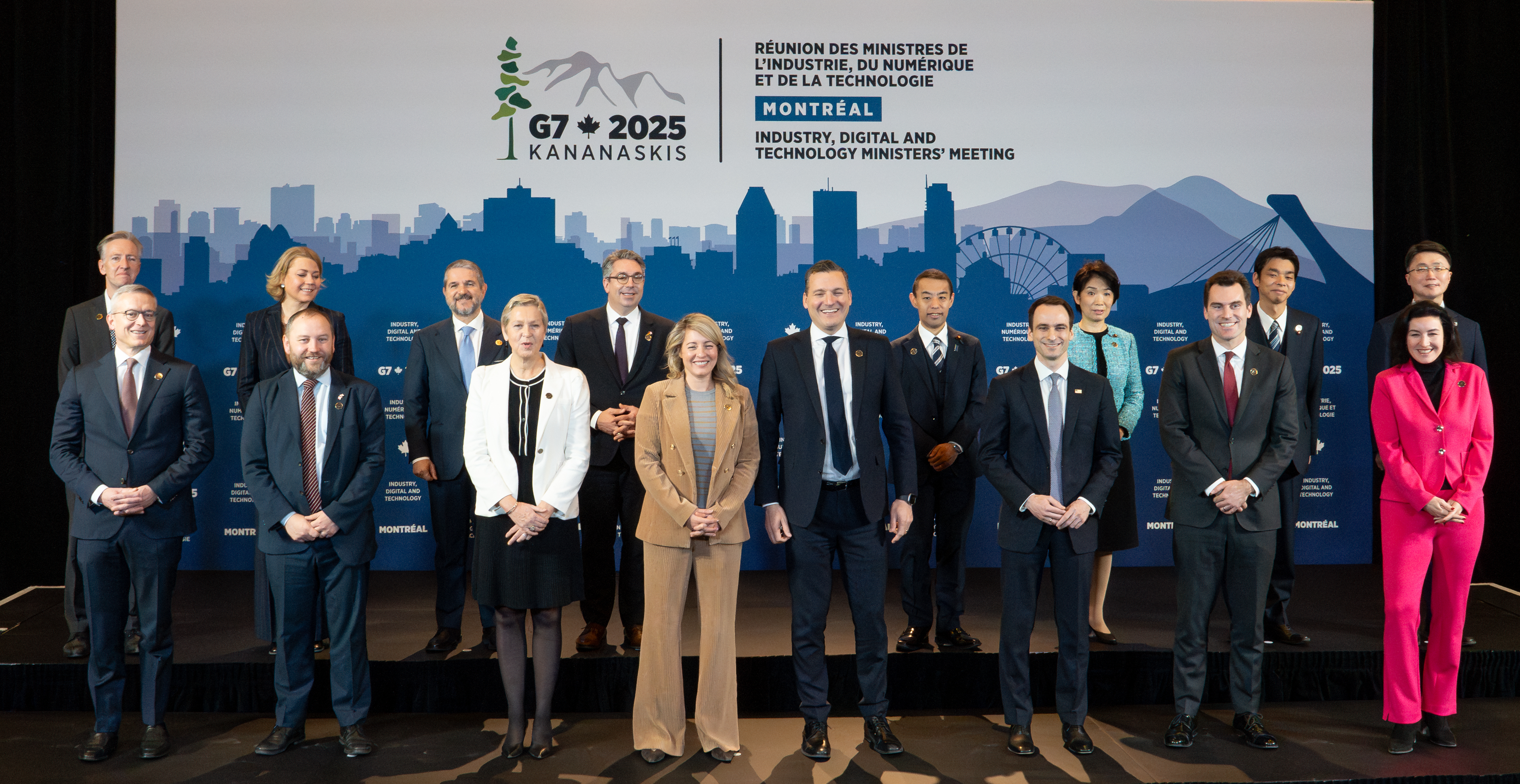
From the perspective of strengthening supply chain resilience, State Minister Ino emphasized the need for like-minded countries to work together to address non-market policies and practices and the overcapacity issues that they cause.
He also stressed the importance of calling for the correction of non-market policies and practices, which are a fundamental problem, through the WTO and other bodies, and promoting efforts to diversify supply sources, as well as taking measures to ensure that non-price factors such as reliability and supply stability, rather than just price, are properly evaluated in the market.
On the other hand, with regard to advanced technologies, from the perspective of industrializing quantum technology, he introduced the full-scale operation of the Global Research and Development Center for Business by Quantum-AI technology (G-QuAT) of the National Institute of Advanced Industrial Science and Technology (AIST), a national research and development agency in Japan, and emphasized the importance of collaboration with G7 countries in standardizing quantum technology and building a supply chain for promoting its social implementation.
He also explained that AI is beginning to have a major impact on people's behavior, and stressed that it is important for the G7, which shares common values, to continue discussing how to respond to this issue.
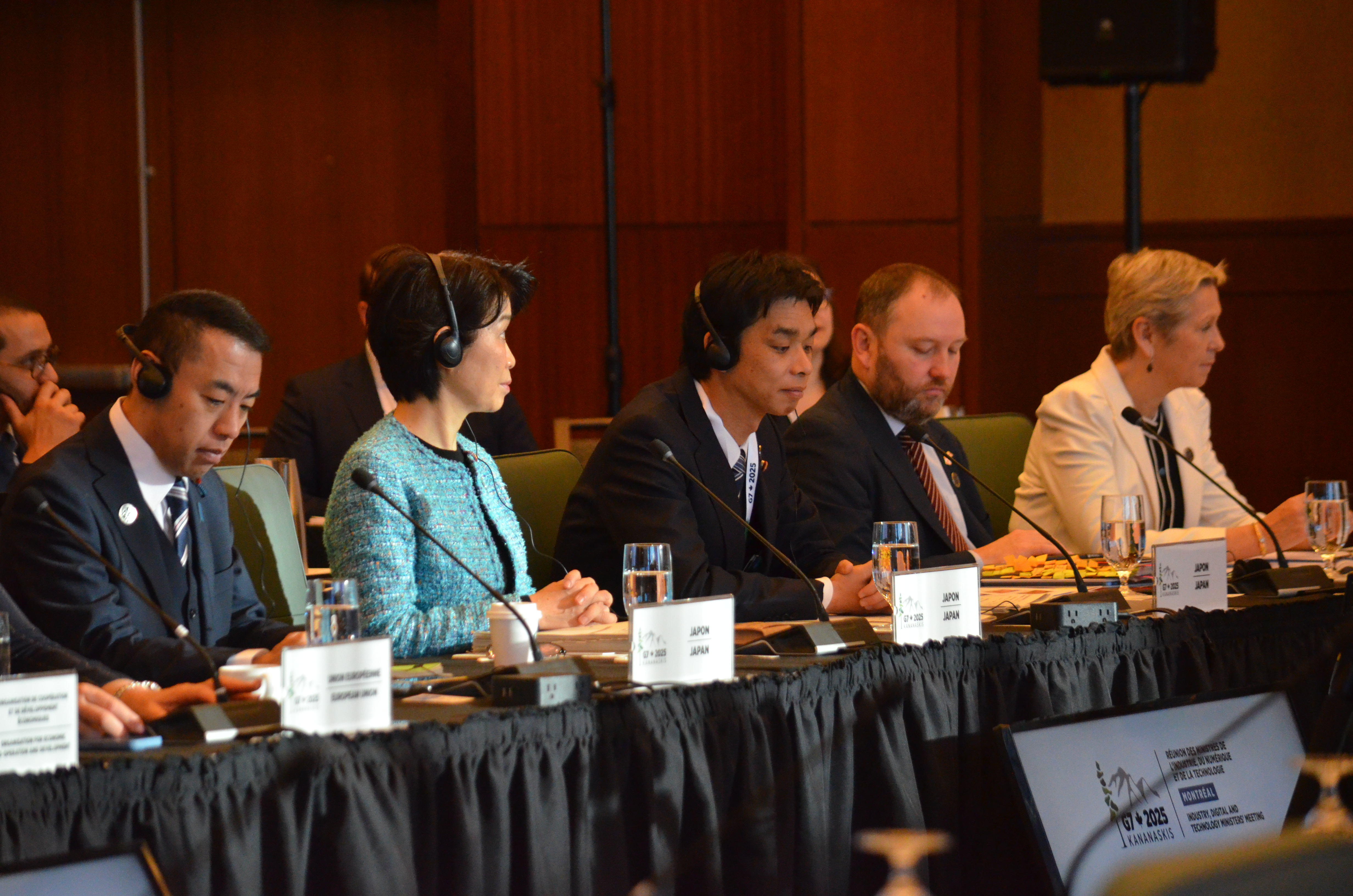
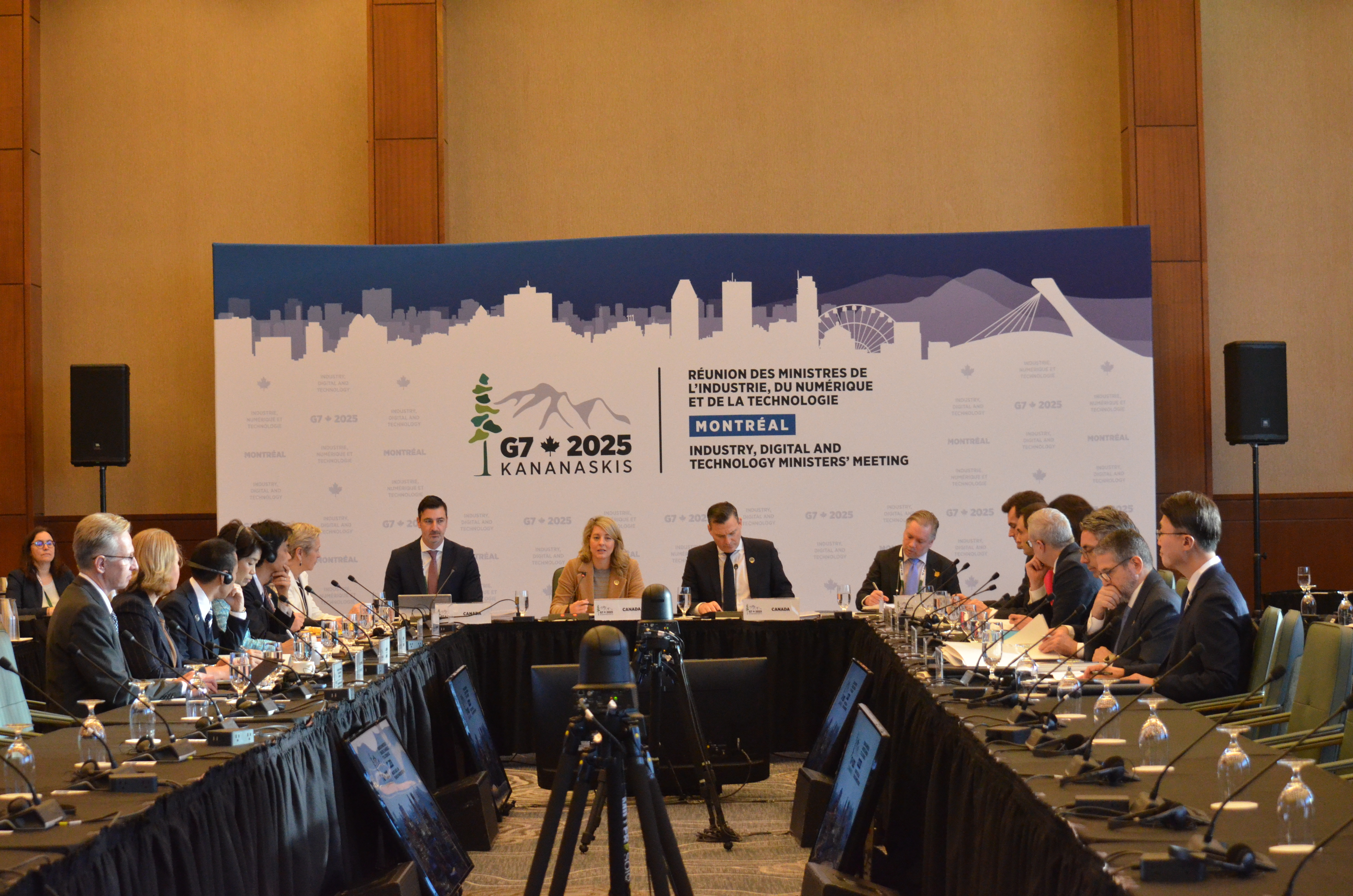
As outcomes of the meeting, the G7 2025 Industry, Digital and Technology Ministerial Declaration and G7 Industry, Digital and Technology Ministerial Statement on the SME AI Adoption Blueprint were adopted. The main points of the Declaration are as follows:
(1) G7 2025 Industry, Digital and Technology Ministerial Declaration
- Referring to the impact of AI on industry and the economy, the declaration supports the G7 AI adoption roadmap. It also refers to support for SMEs (small and medium-sized enterprises) through the creation of “The SME AI adoption blueprint,” as well as ensuring reliability, human resource development, utilizing the public sector, and promoting international cooperation.
- Referring to the potential for economic growth from quantum technology, the declaration supports the “G7 Kananaskis Common Vision for the Future of Quantum Technologies” adopted at the G7 Kananaskis Summit. It also refers to strengthening G7 cooperation through the efforts of the “G7 Joint Working Group on Quantum Technologies” and promoting related scientific research, human resource development, industry-academia collaboration, investment, commercialization, and adoption.
- Referring to the interconnectedness of the international digital economy, the declaration supports the G7's promotion of DFFT, the introduction of privacy enhancing technologies (PETs), and support for SMEs, strengthening competition policy, protecting intellectual property, and building a fair and open digital market through international cooperation.
- The ministers affirmed the importance of ensuring the resilience of supply chains and the need for G7 to coordinate its response to non-market policies and market-distorting practices that disrupt supply chains. The declaration also supports the ongoing activities of the G7 Semiconductors Point of Contact (PoC) Group and the ongoing efforts on the 2025 G7 Cybersecurity Working Group on Internet of Things (IoT) Security, cooperation on research security, and enhancing health security and health emergency preparedness.
(2) G7 Industry, Digital and Technology Ministerial Statement on the SME AI Adoption Blueprint
- Recognizes AI as a transformative general-purpose technology with the potential to significantly benefit economies and societies. Acknowledges that SME needs and profiles vary greatly, including by region, industry, size, and growth aspirations.
- Refers to the importance of development of dynamic, self-sustaining and resilient AI adoption ecosystems that integrate SMEs across AI value chains and bolster SME AI innovation.
- Includes other policy recommendations, e.g., continuing public and private investments in AI compute and cloud infrastructure, developing open-source AI models and systems, encouraging investment in data literacy across organizations, and supporting the development of clear and practical guidance on regulatory and governance matters.
2. Bilateral meetings
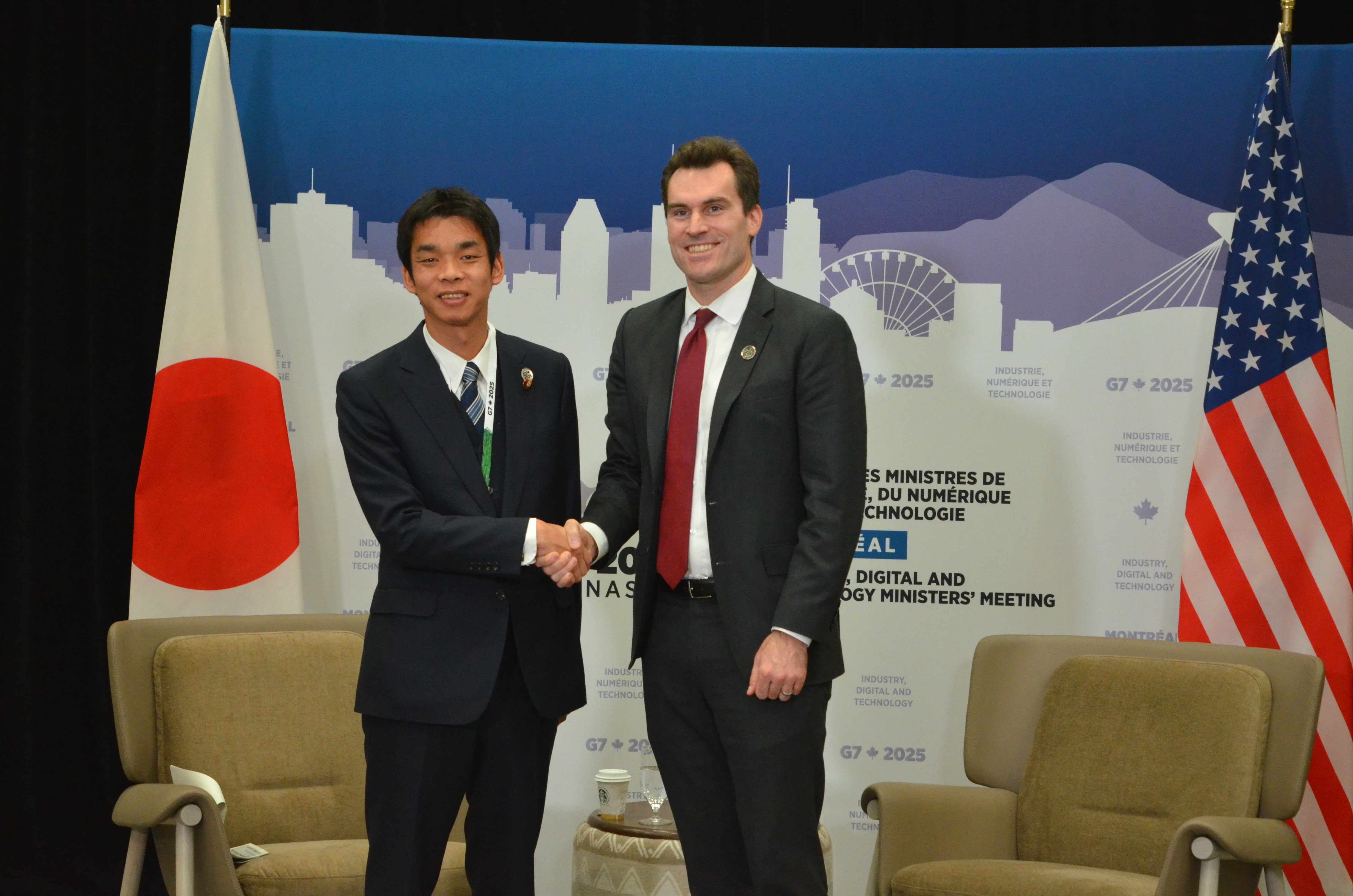
During the visit, State Minister Ino held meeting with the following ministers and exchanged views on bilateral economic relations, economic security, AI industry promotion, and quantum technologies: H.E. Mr. William Kimmit, Under Secretary of Commerce for International Trade of the U.S.; H.E. Mr. Stefan Rouenhoff, Parliamentary State Secretary at the Federal Ministry for Economic Affairs and Energy of the Federal Republic of Germany; H. E. Ms. Henna Virkkunen, Executive Vice-President of the European Commission (for Tech Sovereignty, Security and Democracy) of the EU; H.E. Mr. Ian Murray, Minister of State (Minister for Digital Government and Data) of the U.K.; H.E. Mr. Evan Solomon, Minister of Artificial Intelligence and Digital Innovation and Minister responsible for the Federal Economic Development Agency for Southern Ontario of Canada; H.E. Ms. Mélanie Joly, Minister of Industry and Minister Responsible for Canada Economic Development for Quebec Regions of Canada; H.E. Mr. Jerry Sheehan, Director of the OECD Directorate for Science, Technology, and Innovation; H.E. Ms. Anne Le Hénanff, Minister Delegate for Artificial Intelligence and the Digital Economy of the French Republic.
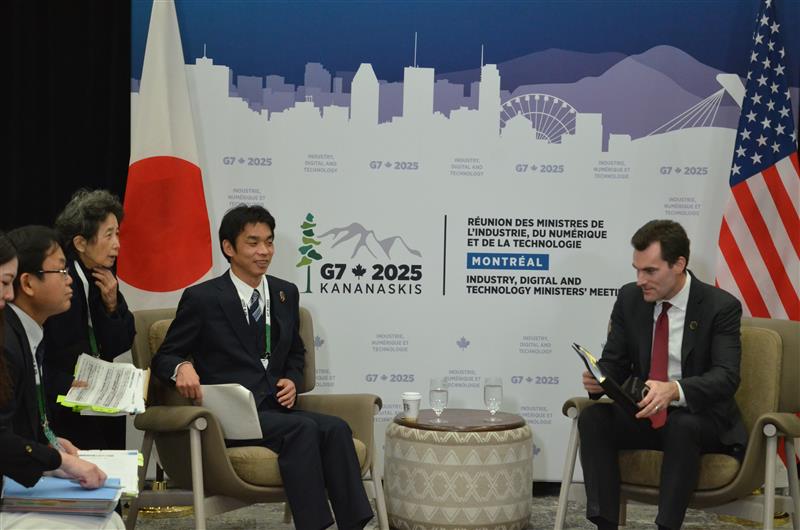
(1) Exchanging views with H.E. Mr. William Kimmit, Under Secretary of Commerce for International Trade of the United States
State Minister Ino and Under Secretary Kimmitt held discussions on the importance of cooperation between Japan and the U.S. in a wide range of areas, including critical minerals and AI, taking into account the results of U.S. President Trump’s official visit to Japan.
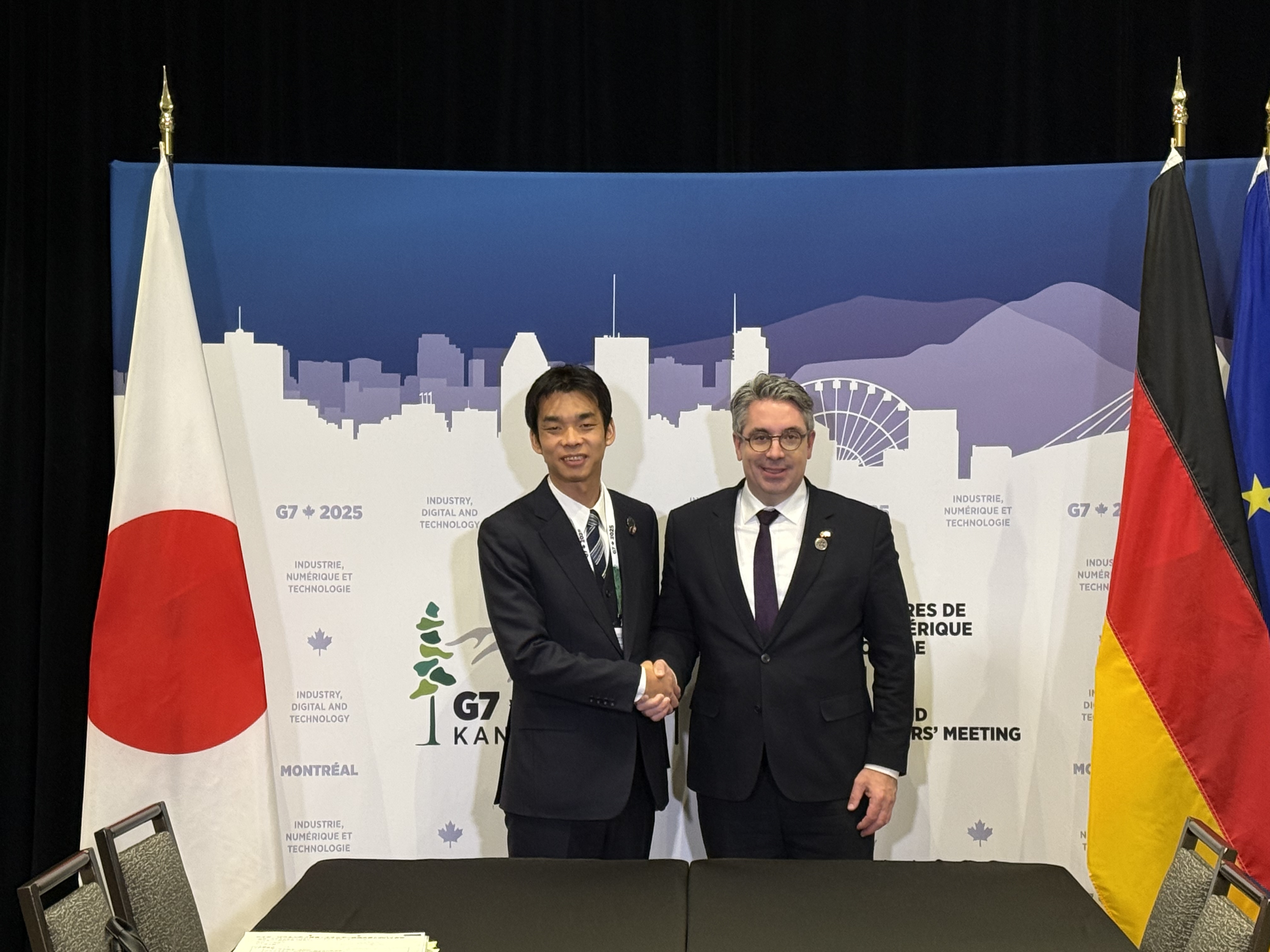
(2) Exchanging views with H.E. Mr. Stefan Rouenhoff, Parliamentary State Secretary at the Federal Ministry for Economic Affairs and Energy of the Federal Republic of Germany
State Minister Ino and Parliamentary State Secretary Rouenhoff held discussions on strengthening supply chains for critical minerals such as rare earths, maintaining and strengthening the rules-based free trade system, including efforts at the WTO and cooperation between the CPTPP and the EU.
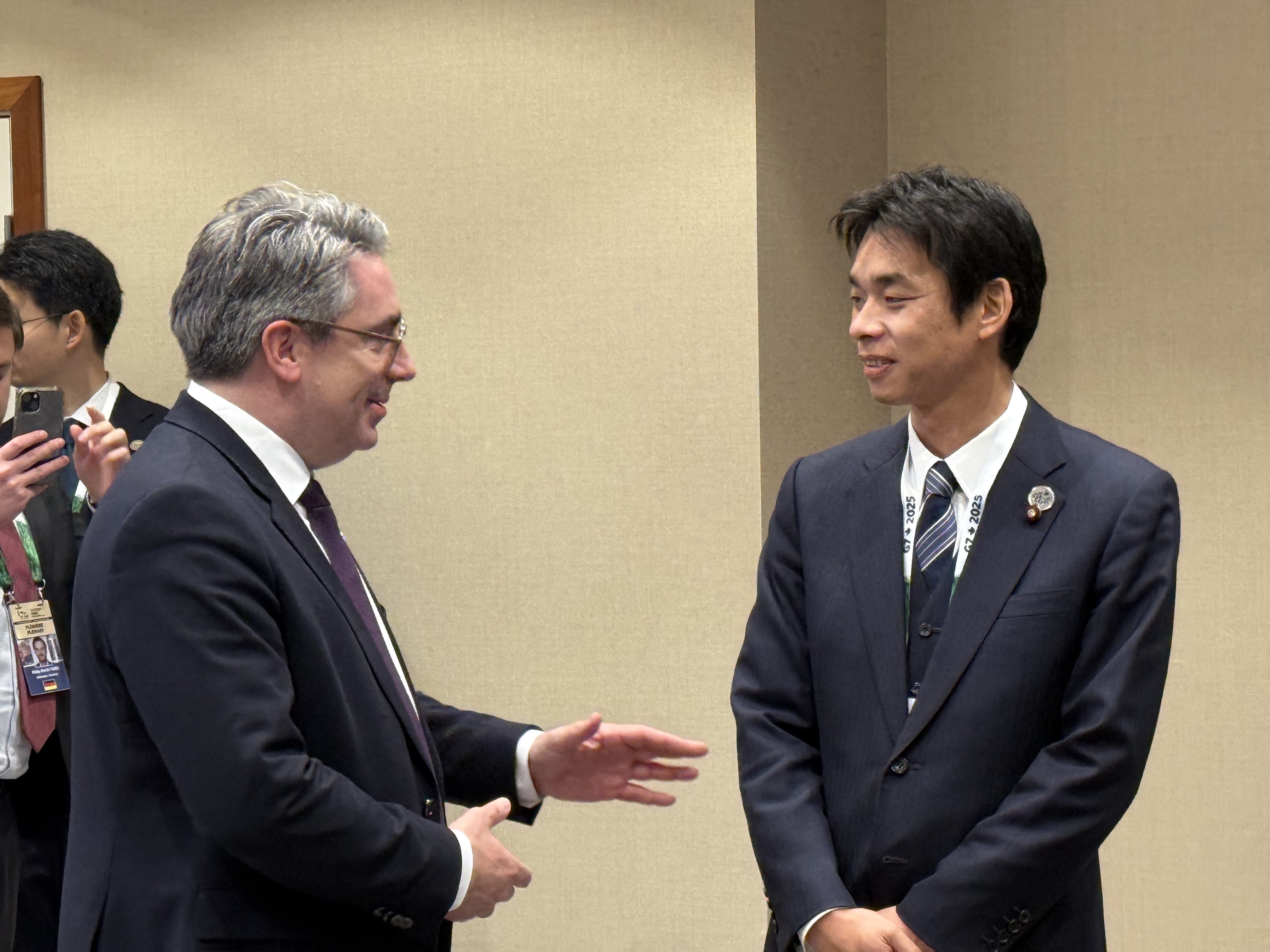
(3) Exchanging views with H. E. Ms. Henna Virkkunen, Executive Vice-President of the European Commission (for Tech Sovereignty, Security and Democracy) of the EU
State Minister Ino, together with State Minister for Digital Transformation Imaeda and State Minister for Internal Affairs and Communications Horiuchi, held discussions on cooperation in the fields of quantum and semiconductors.
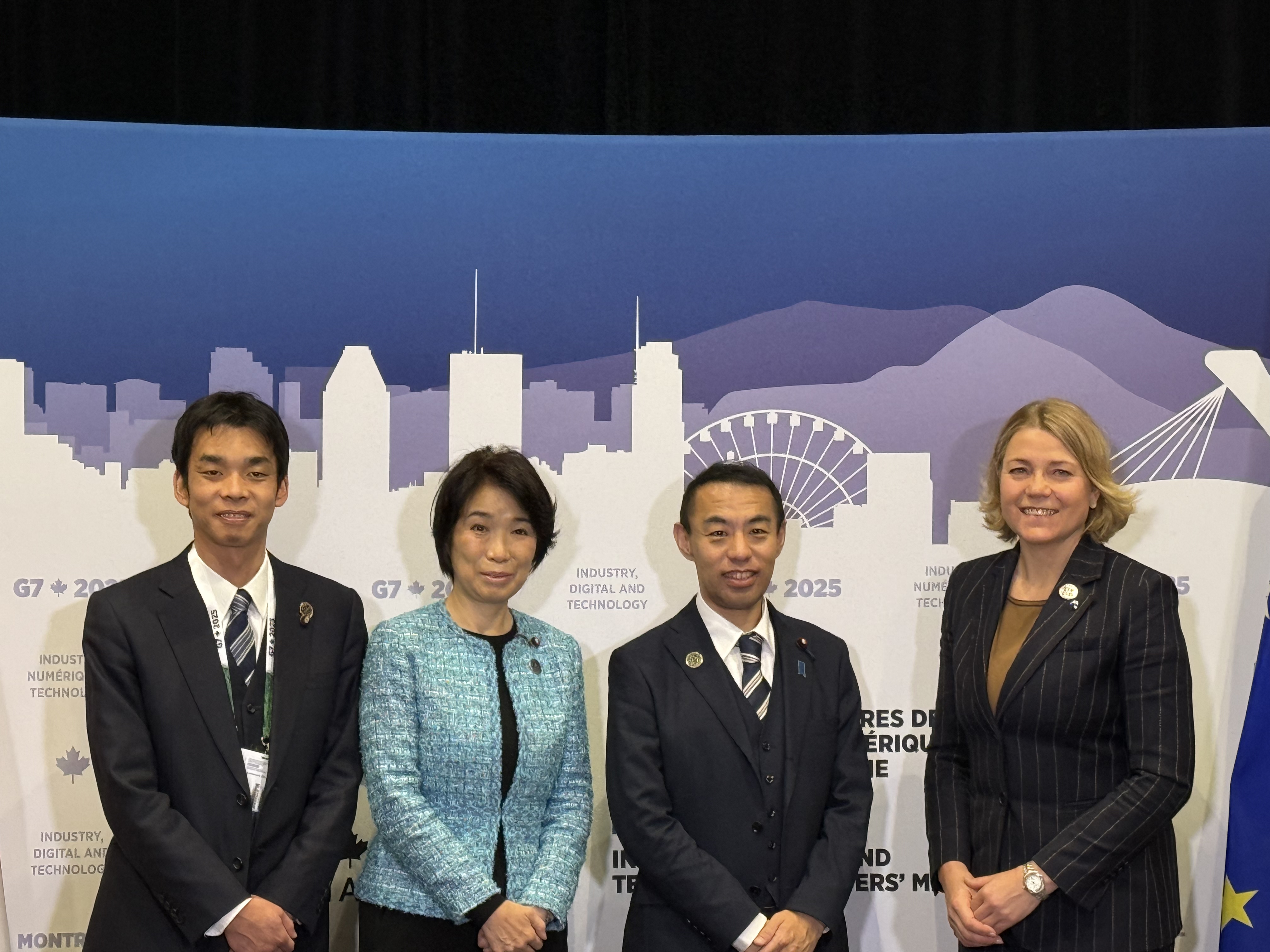
(4) Exchanging views with H.E. Mr. Ian Murray, Minister of State (Minister for Digital Government and Data) of the U.K.
State Minister Ino, together with State Minister for Internal Affairs and Communications Horiuchi and State Minister for Digital Transformation Imaeda, held discussions on AI policies and other issues.
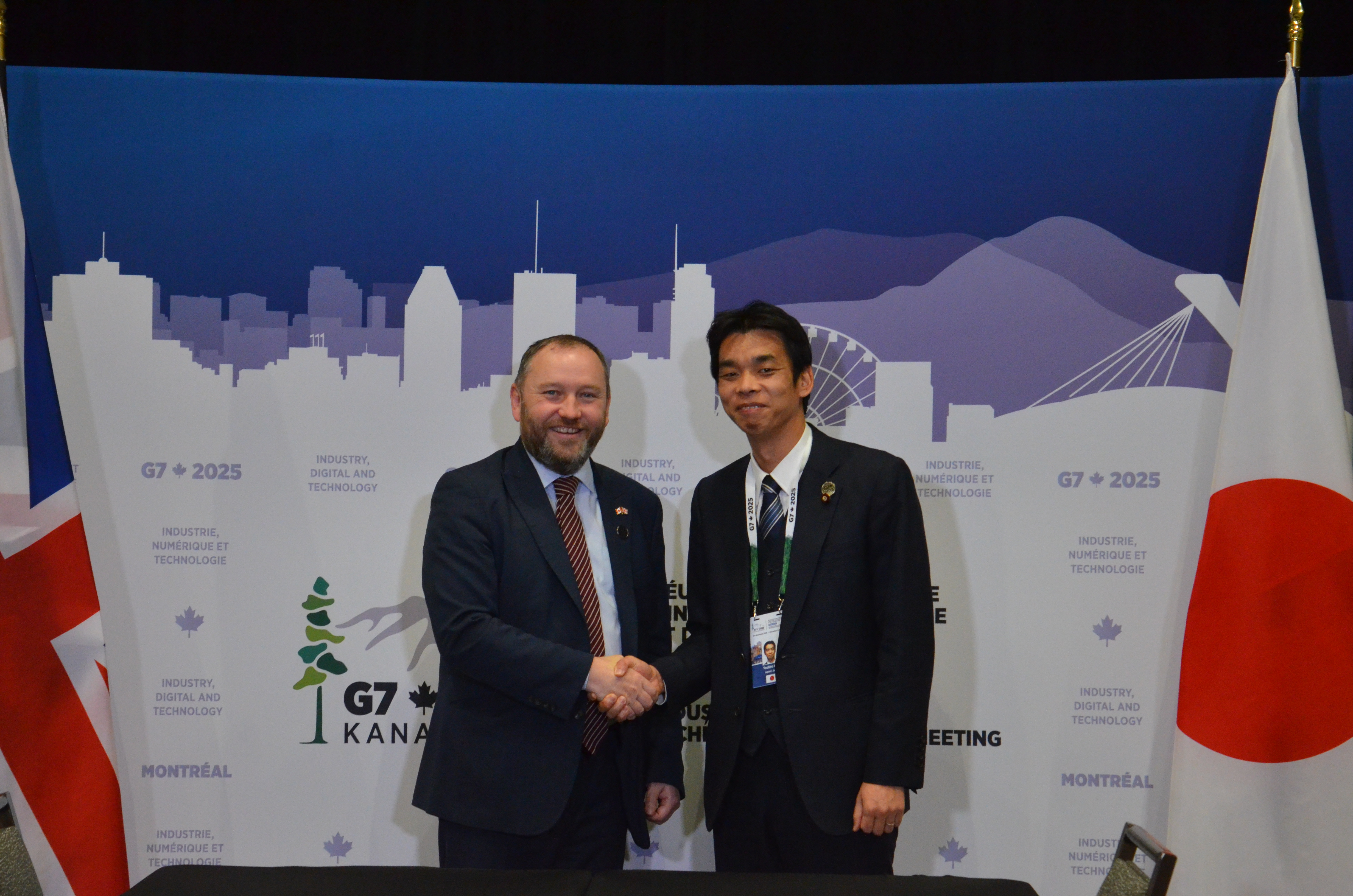
(5) Exchanging views with H.E. Mr. Evan Solomon, Minister of Artificial Intelligence and Digital Innovation and Minister responsible for the Federal Economic Development Agency for Southern Ontario of Canada
State Minister Ino talked with Minister Solomon about future cooperation between the two countries and shared their understanding of the points that Japan and Canada place importance on in the field of AI.
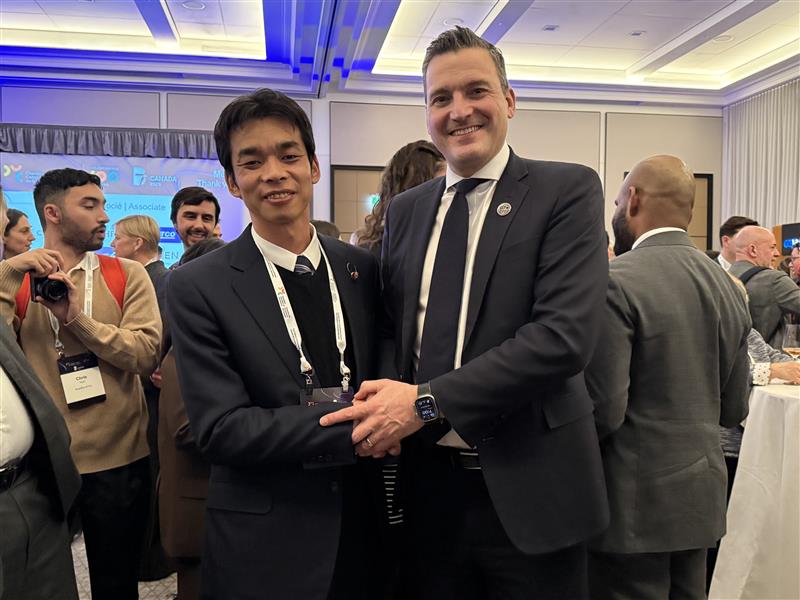
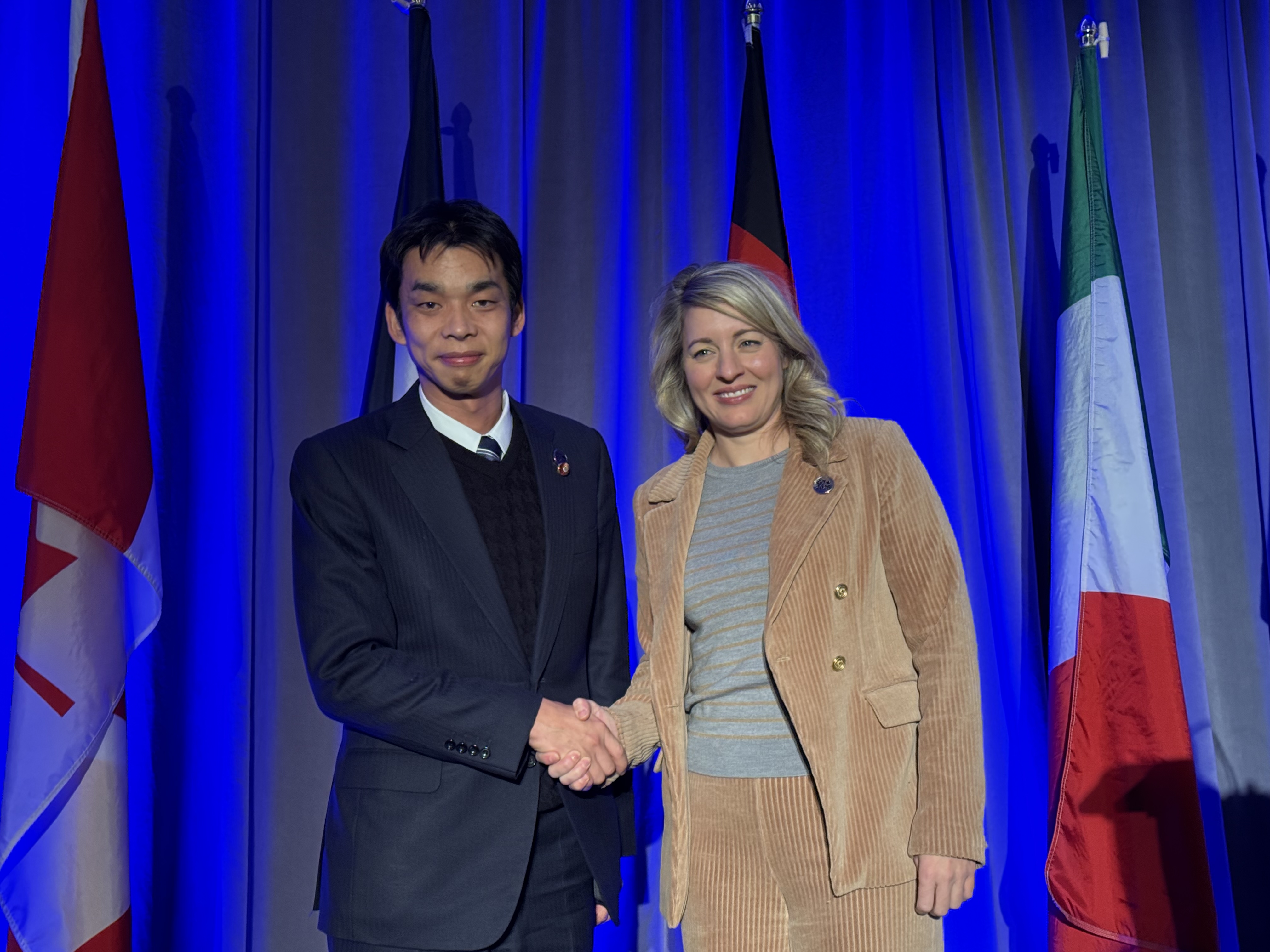
(6) Exchanging views with H.E. Ms. Mélanie Joly, Minister of Industry and Minister Responsible for Canada Economic Development for Quebec Regions of Canada
State Minister Ino and Minister Joly discussed cooperation in bilateral economic relations between Japan and Canada. State Minister Ino expressed concerns regarding the Canadian government's tariff-rate quotas for steel products and tariff measures for targeted steel derivative products, and followed up on the Canadian government's response.
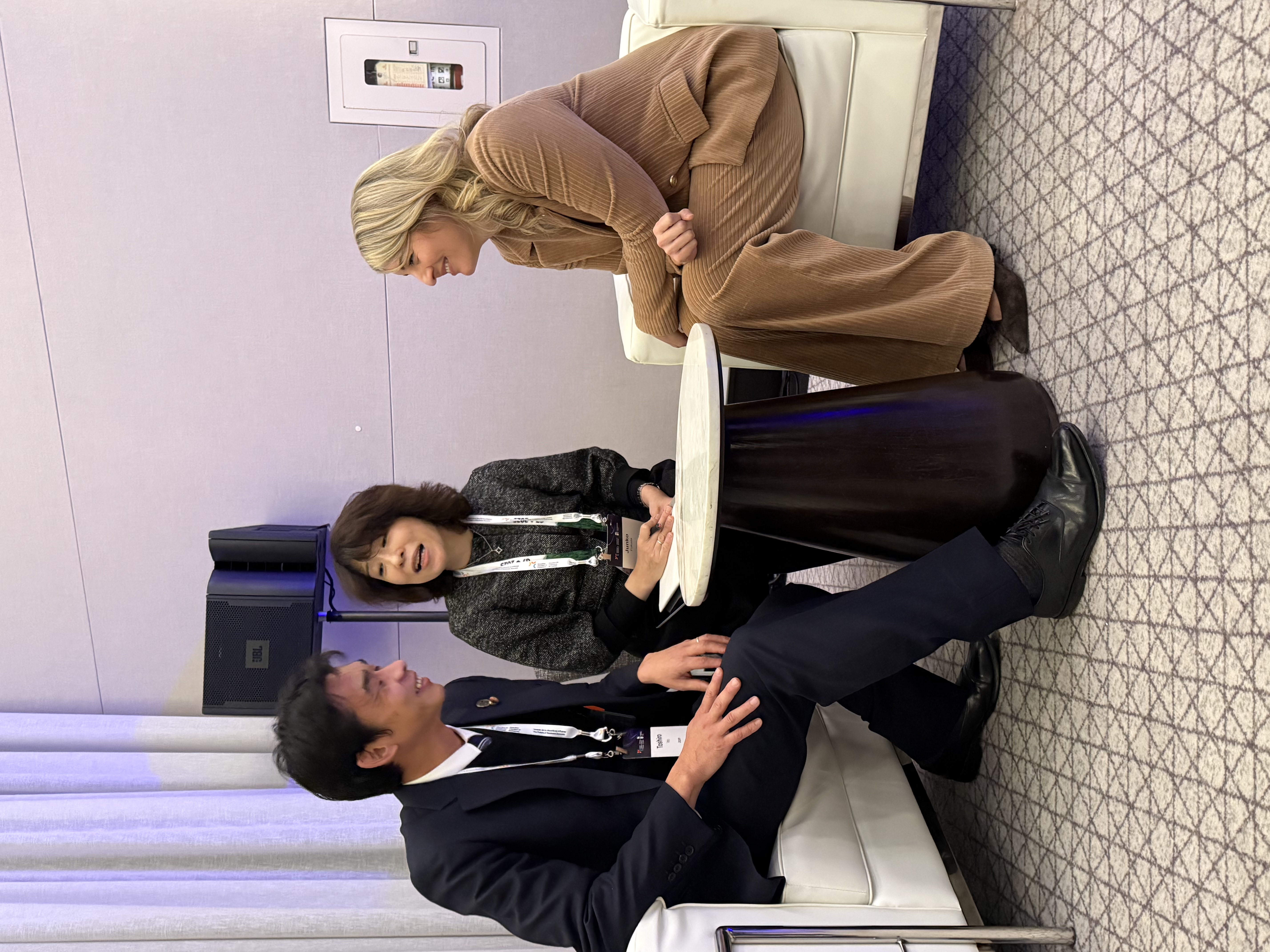
(7) Exchanging views with H.E. Mr. Jerry Sheehan, Director of the OECD Directorate for Science, Technology, and Innovation
State Minister Ino and Director Sheehan held a discussion on OECD's efforts in the fields of AI and quantum.
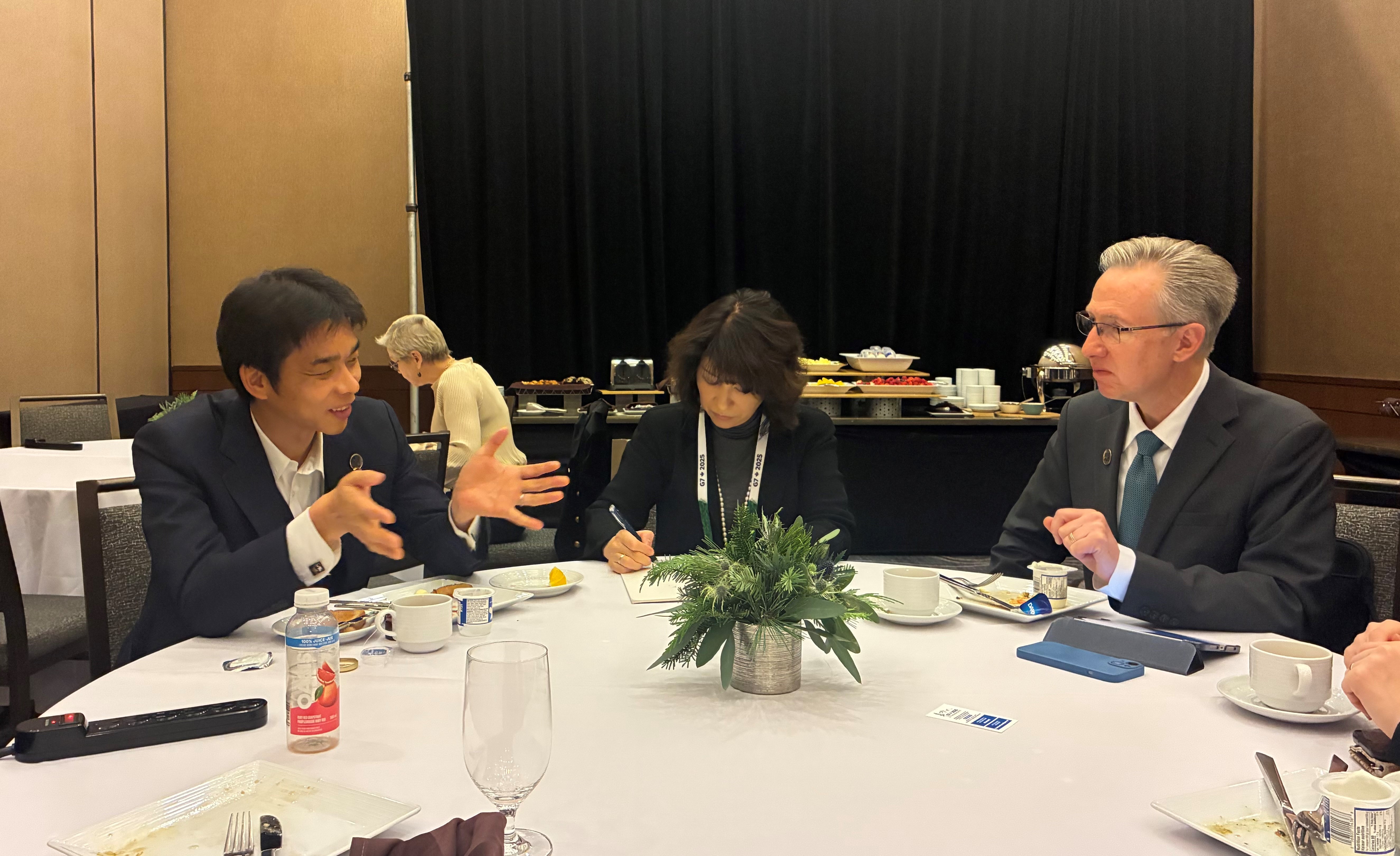
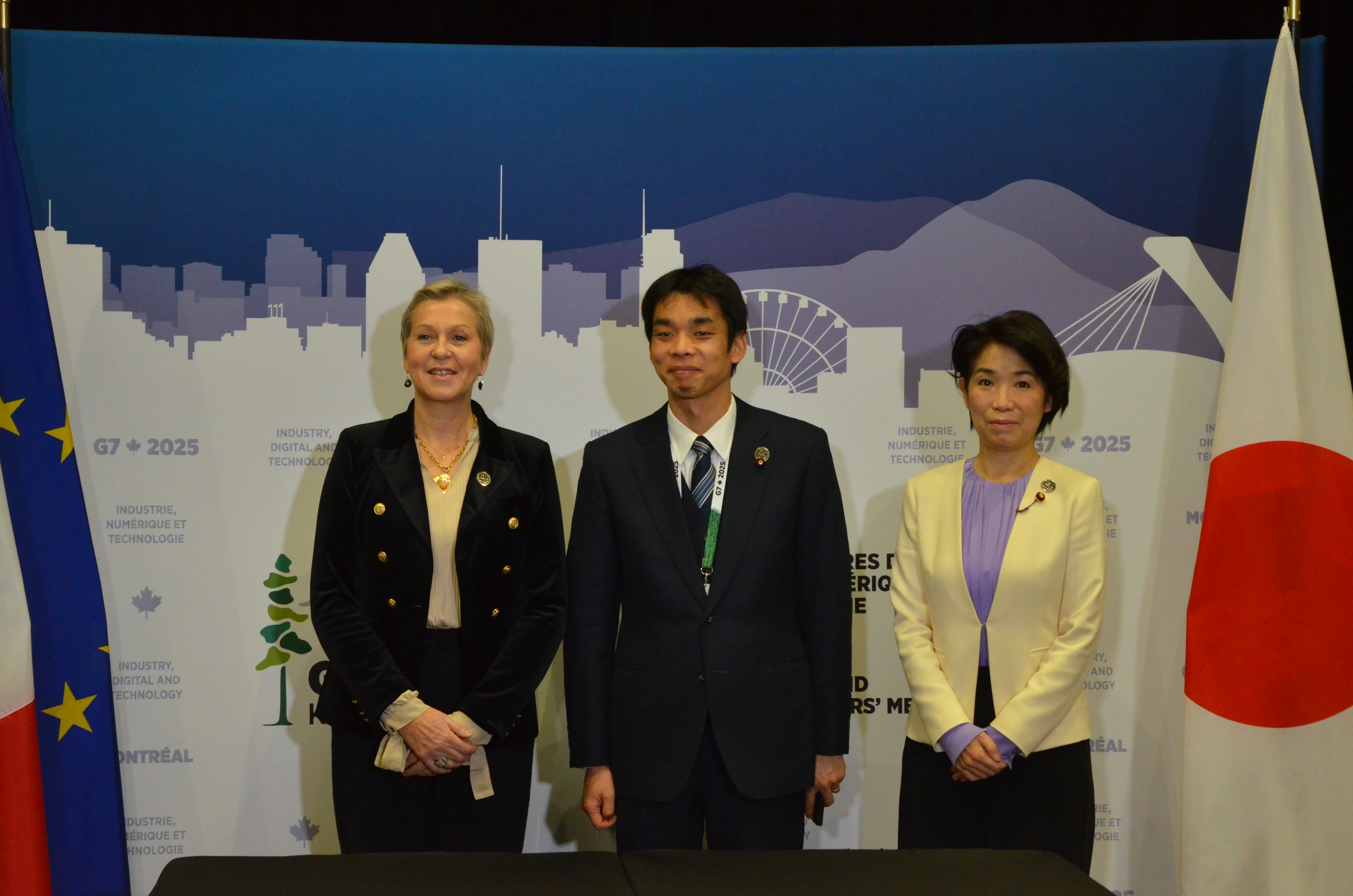
(8) Exchanging views with H.E. Ms. Anne Le Hénanff, Minister Delegate for Artificial Intelligence and the Digital Economy of the French Republic
State Minister Ino, together with State Minister for Internal Affairs and Communications Horiuchi, discussed cooperation with France, which will hold the G7 presidency next year, and held discussions on issues such as promoting the AI industry and semiconductor policy.
Related Materials
- G7 2025 Industry, Digital and Technology Ministerial Declaration

- G7 Industry, Digital and Technology Ministerial Statement on the SME AI Adoption Blueprint
Divisions in Charge
For the entire visit
International Economic Affairs Department, Trade Policy Bureau
For the AI Adoption Blueprint, and the fields of AI and digital
Office of International Affairs, Commerce and Information Policy Bureau