Overview
As discussions around business and human rights gain global momentum, the Government of Japan released the Guidelines on Respecting Human Rights in Responsible Supply Chains and has been actively working to raise awareness and promote corporate initiatives on business and human rights.
Given the growing need for Japanese companies to strengthen their initiatives to respect human rights throughout their supply chains, including in Southeast Asia, METI organized training programs targeting executives and managers from Southeast Asian companies and representatives of industry associations. This initiative aims to develop and enhance trustworthy cooperative mechanisms between Southeast Asian and Japanese businesses.
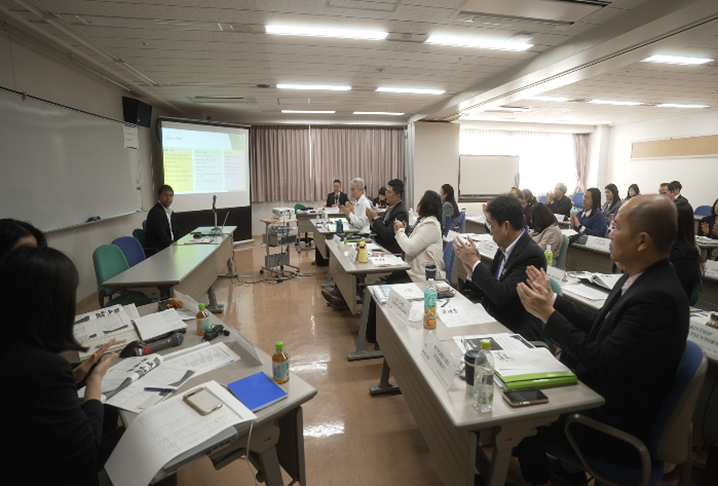
In cooperation with Japanese business and industrial associations, relevant organizations, and international organizations, the training provided opportunities to introduce Japan’s initiatives related to business and human rights and RBC. Through visits to companies in the Kansai region and group work using METI’s Reference Material on Practical Approaches, participants gained a deeper understanding of these topics, including practical approaches to human rights due diligence in supply chains.Training Programs
Main Content:
- Lectures on international standards and global trends pertaining to RBC
- Introduction to initiatives related to business and human rights and RBC, including practical reference cases from Japanese companies
- Presentations by participants on action plans they developed
Training for Thai Companies:
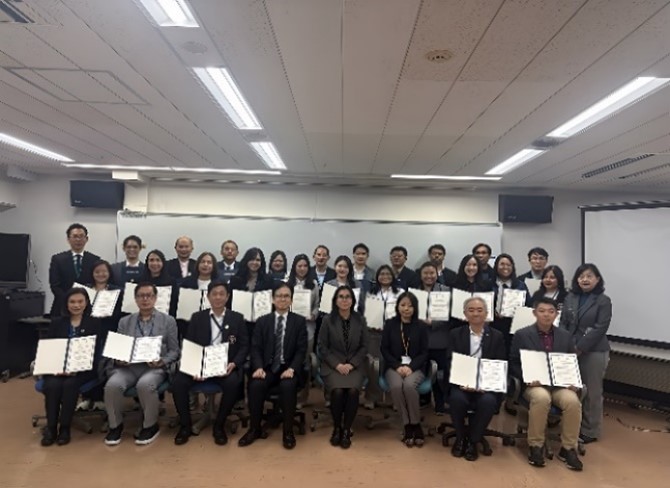
Period: Thursday, December 4, to Wednesday, December 10, 2025 (5 training days)
In addition to the above sessions, a pre-session and post-training follow-up session were also organized.
Participants: Total of 27 participants from Thailand
[Company Representatives] 22 participants
Executives and managers from Thai companies in sectors such as electrical and electronic equipment (EEE) and automobiles, currently engaged in or seeking business with Japanese companies
[Industry Association Representatives] 5 participants
- Employers’ Confederation of Thailand: (ECOT)
- Employers’ Confederation of Thai Trade & Industry: (ECONTHAI)
- The Federation of Thai Industries: (FTI)
- Thai Auto-Parts Manufacturers Association: (TAPMA)
- Electrical and Electronics Institute: (EEI)
Training for Vietnamese Companies:
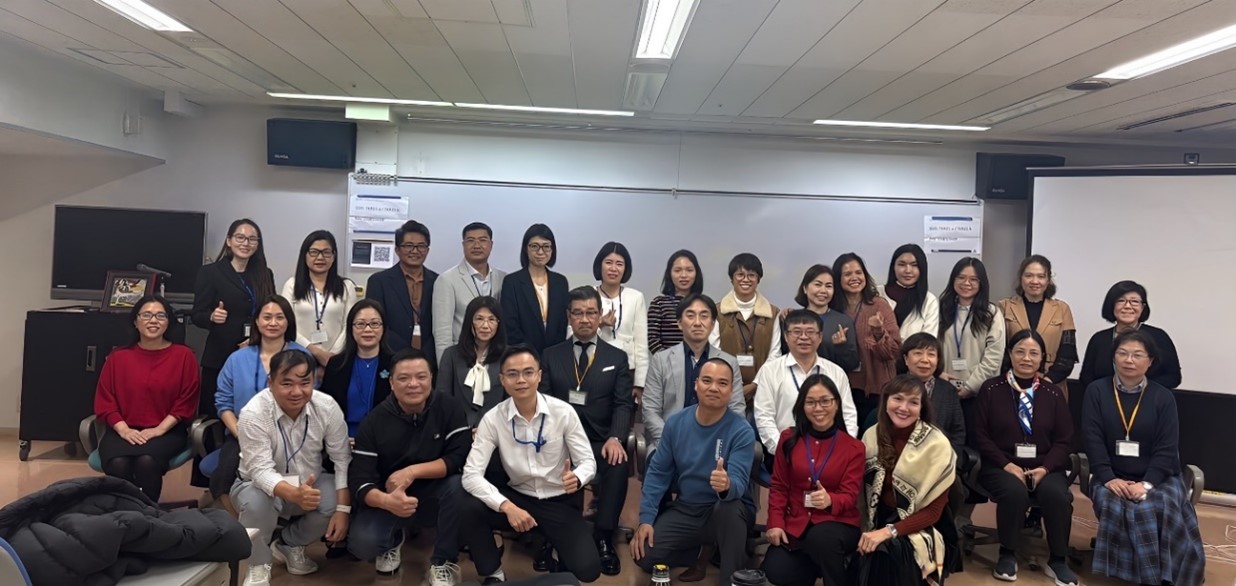
Period: Thursday, January 15, to Wednesday, January 21, 2026 (5 training days)
In addition to the above sessions, a pre-session and post-training follow-up session were also organized.
Participants: Total of 23 participants from Vietnam
[Company Representatives] 16 participants
Executives and managers from Vietnamese companies in sectors such as textiles, apparel, and electrical and electronic equipment (EEE), currently engaged in or seeking business with Japanese companies
[Industry Association Representatives] 6 participants
- Vietnam Chamber of Commerce and Industry: (VCCI)
- Vietnam Textile and Apparel Association: (VITAS)
- Vietnam Association for Supporting Industries: (VASI)
[Government] 1 participant
Ministry of Justice
Feedback from Training Participants: Key Takeaways and Post-Training Actions
Shift in Mindset (From Passive to Proactive)- Business and human rights and responsible business management, once viewed as responses to customer requests, are now recognized as critical issues requiring proactive corporate action.
Viewing RBC as an Investment
- Participants gained a deeper understanding that RBC serves as a guiding principle for sustainable corporate growth and functions as a “license to grow.”
Clarifying Practical Implementation of Human Rights Due Diligence
- Following the program, some participants incorporated the acquired knowledge into their internal processes, for example, by using METI’s practical reference worksheets to identify and assess key issues.
- Others established internal RBC committees and expressed willingness to further advance their initiatives.
Sustained Efforts
- Promoting RBC not only strengthens cooperative relationships in Thailand but also deepens collaboration with Japanese companies and organizations.
- By implementing the action plans developed during the training, participants believe they can contribute not only to their own companies, but also to the industry, the Vietnamese economy, and enhanced cooperation between Vietnam and Japan.
Last updated:2026-04-23