- Home
- News Releases
- Back Issues
- March FY2026
- METI State Minister Yamada Attends 14th WTO Ministerial Conference
METI State Minister Yamada Attends 14th WTO Ministerial Conference
March 30, 2026
From Tuesday, March 24, to Tuesday, March 31, 2026, Mr. Yamada Kenji, State Minister of Economy, Trade and Industry, visited Cameroon to attend the 14th WTO Ministerial Conference (MC14) held in Yaoundé, Cameroon.
Taking this opportunity, State Minister Yamada also attended various meetings held on the occasion of MC14 and exchanged views with representatives of WTO Members on cooperation in reform and bilateral economic ties.
1. MC14
(1) Overview of the conference
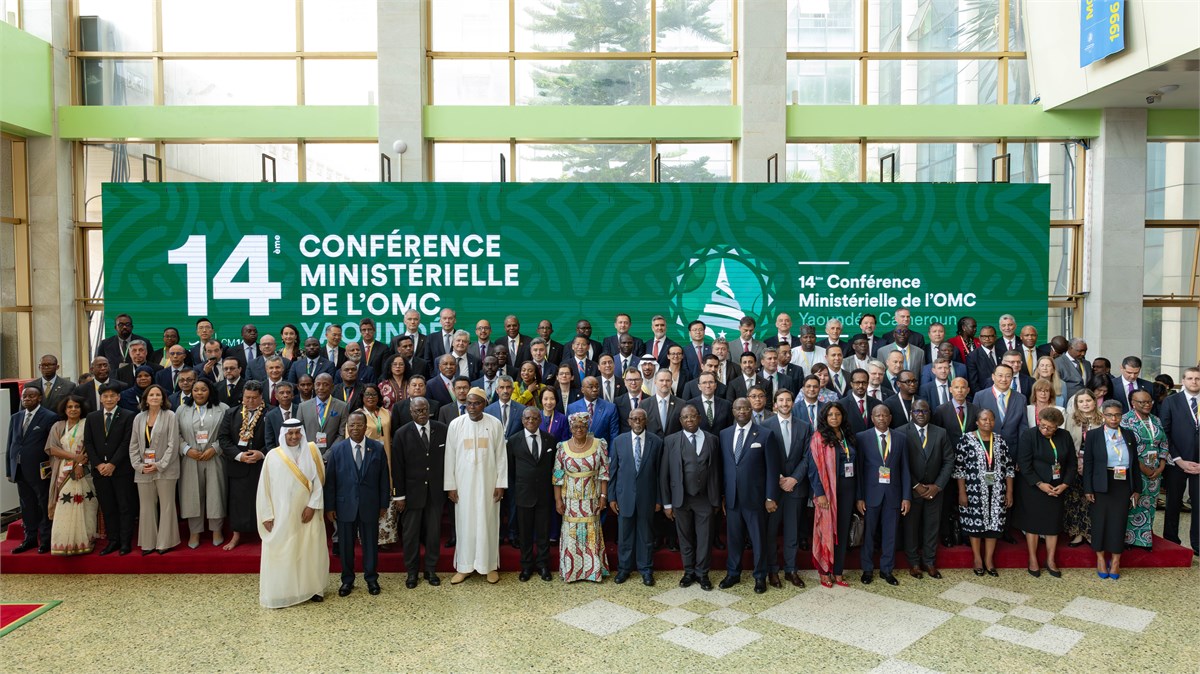
MC14 was held in Yaoundé, Cameroon, from Thursday, March 26, to Sunday, March 29, 2026. As representatives of Japan, State Minister Yamada, Mr. Nemoto Yukinori, State Minister of Agriculture, Forestry and Fisheries, and Mr. Shimada Tomoaki, Parliamentary Vice-Minister for Foreign Affairs, attended the conference.
The WTO Ministerial Conference is the highest decision-making body of the WTO, which usually held every two years with the participation of trade ministers from all Members. The previous conference, MC13, was held in February 2024.
At individual sessions in MC14, participating ministers discussed a variety of subjects, including WTO reform, dispute settlement reform, investment facilitation for development, electronic commerce, and trade and development. In particular, regarding WTO reform, breakout sessions were held on the themes of foundational issues on WTO, decision-making, development and Special and Differential Treatment (S&DT), and Level Playing Field (LPF), and active discussions took place among ministers.
Based on the discussions, the ministers agreed to continue efforts for a decision at the WTO General Council in May to bridge the small gaps on remaining items including the draft Yaoundé Ministerial Declaration on WTO reform and Work Plan, and the draft Ministerial Decision on the Work Programme on Electronic Commerce.
Specific MC14 outcomes are as follows:
- Agreement to aim for a decision at the next WTO General Council in May regarding the draft Yaoundé Ministerial Declaration on WTO reform, including Work Plan up to MC15.
- Agreement to aim for a decision at the next WTO General Council in May on the extension of the moratorium on customs duties on electronic transmissions.
- Adoption of the interim arrangements for the WTO Agreement on Electronic Commerce.
(2) Highlights of the remarks
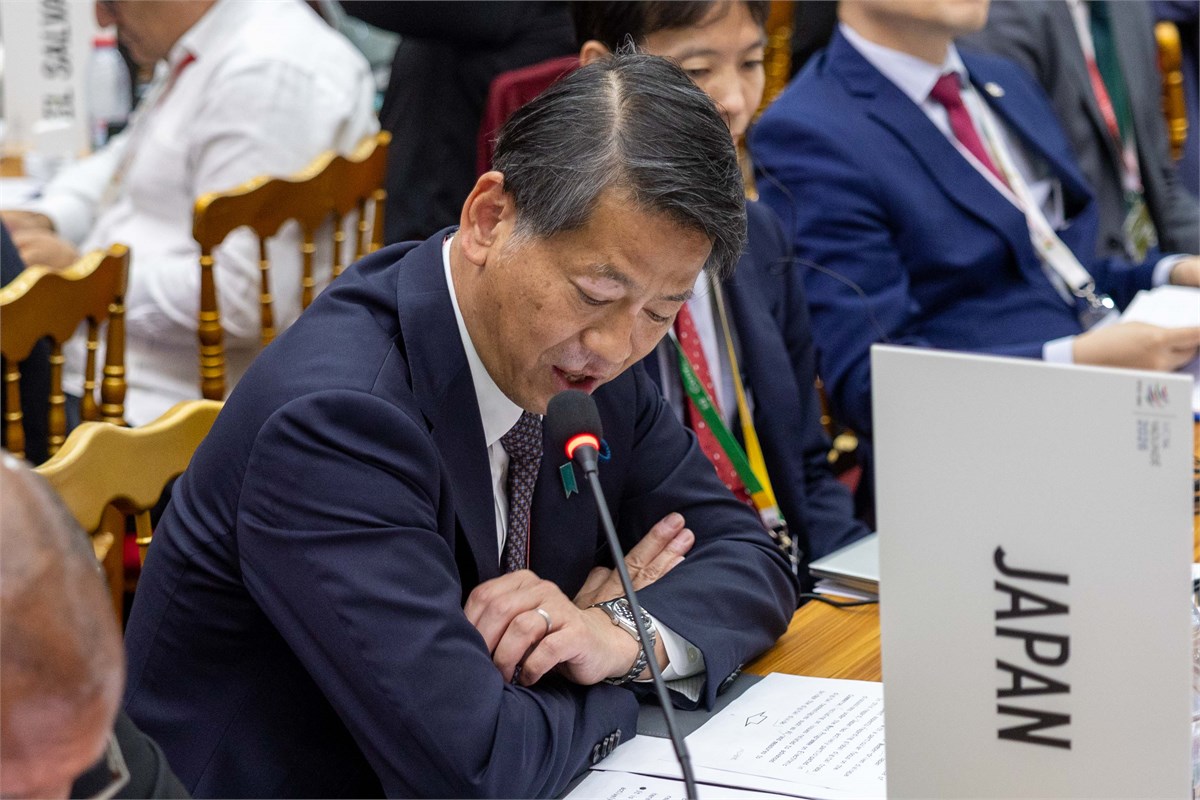
State Minister Yamada attended the ministerial dialogue on foundational issues on WTO, the breakout session on LPF, and the ministerial session on the Work Plan, and the WTO’s work programme on electronic commerce and moratorium. The summary of the remarks made by State Minister Yamada at each session is as follows:
Ministerial dialogue on fundamental issues of the WTO
- First, the WTO’s core value lies in enhancing predictability for businesses. It underpins a rules-based free trade system that has supported global growth and economic development. Japan has greatly benefited from the WTO framework and will continue to attach high importance to it.
- In particular, the Most Favored Nation (MFN) principle has played a critical role in ensuring the stability in the global economy.
- Second, the WTO plays a key role in ensuring that unfair trade practices are effectively remedied.
- Despite these values it provides, the WTO must remain flexible and capable of evolving, and in order to maintain the relevance of the WTO, Members must demonstrate strong political will and move WTO reform forward.
Breakout session on LPF
- In order to ensure a LPF for all Members, it is necessary to overcome challenges arising from nonmarket policies and practices (NMPPs), such as opaque and market-distorting industrial subsidies.
- NMPPs undermine fair competition and obstruct sound industrial development. For example, there are concerns that NMPPs lead to a decline in international prices, thereby hindering the creation of domestic industries that promote development in developing countries.
- Ensuring an LPF is indispensable for enabling all Members to benefit from global trade, and we appreciates that the current WTO reform work plan includes concrete tasks under the LPF section.
- After MC14, we want to accelerate substantive LPF discussions from multiple angles, including building a common understanding on the LPF, considering potential updates to WTO rules, enhancing transparency by monitoring and improving compliance with notification obligations.
Ministerial session on the WTO’s work programme on electronic commerce and moratorium
- In light of the meaningful progress made in discussions under the WTO’s Work Programme on Electronic Commerce, Japan supports both the proposal to establish a “Committee on Digital Trade” and the proposal for an open-ended extension of the moratorium.
- Establishing a “Committee on Digital Trade” that discusses digital trade comprehensively will serve as an essential driving force enabling the WTO to respond effectively to contemporary trade issues.
- An open-ended extension of the moratorium will contribute to enhancing the stability and predictability of digital trade, thereby improving productivity and fostering innovation for businesses, including MSMEs. This will lead to the realization of a digital society that all of us here aspire to achieve.
- Both initiatives are essential for the WTO to accomplish meaningful outcomes related to digital trade. To meet the expectations of the global business community and to ensure the credibility of the WTO, let us, as Ministers, decide on the open-ended extension of the moratorium.
(3) Other meetings held on the occasion of MC14
①Coalition of Trade Ministers on Climate
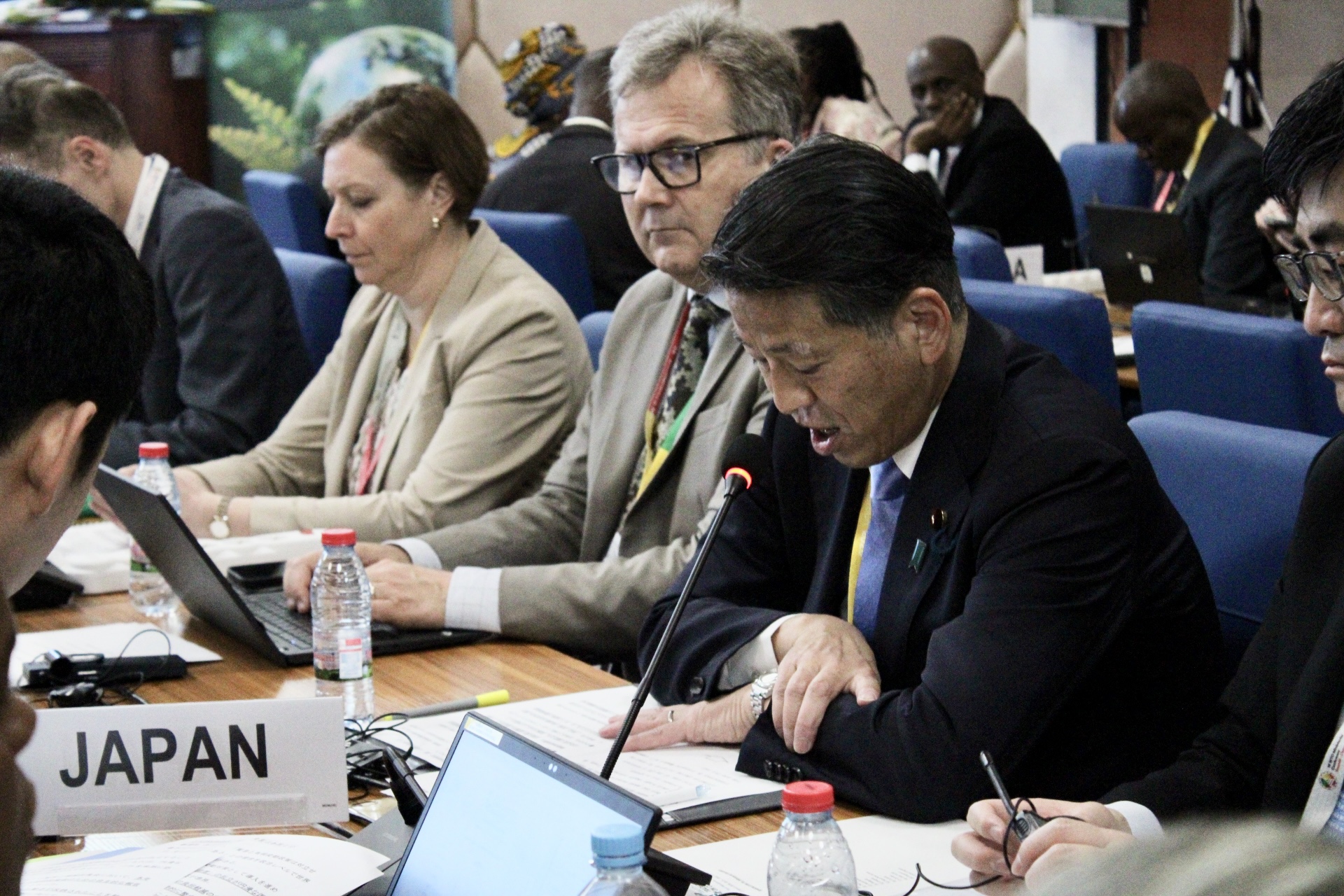
On Friday, March 27, a meeting of the Coalition of Trade Ministers on Climate was held, hosted by the EU, the Republic of Ecuador, the Republic of Kenya, and New Zealand. This coalition is a framework with 61 member countries and regions, and on that day, WTO Director-General Ngozi Okonjo-Iweala also participated, and lively discussions took place among the attending ministers. State Minister Yamada represented Japan.
State Minister Yamada introduced Japan's leading initiatives at the WTO Committee on Trade Environment (CTE) and stated that Japan will continue to cooperate with other countries to lead discussions on trade and climate change. In addition, based on the discussions at the meeting, a Ministerial Communiqué was issued.
②Multi-Party Interim Appeal Arbitration Arrangement (MPIA) Ministerial Event
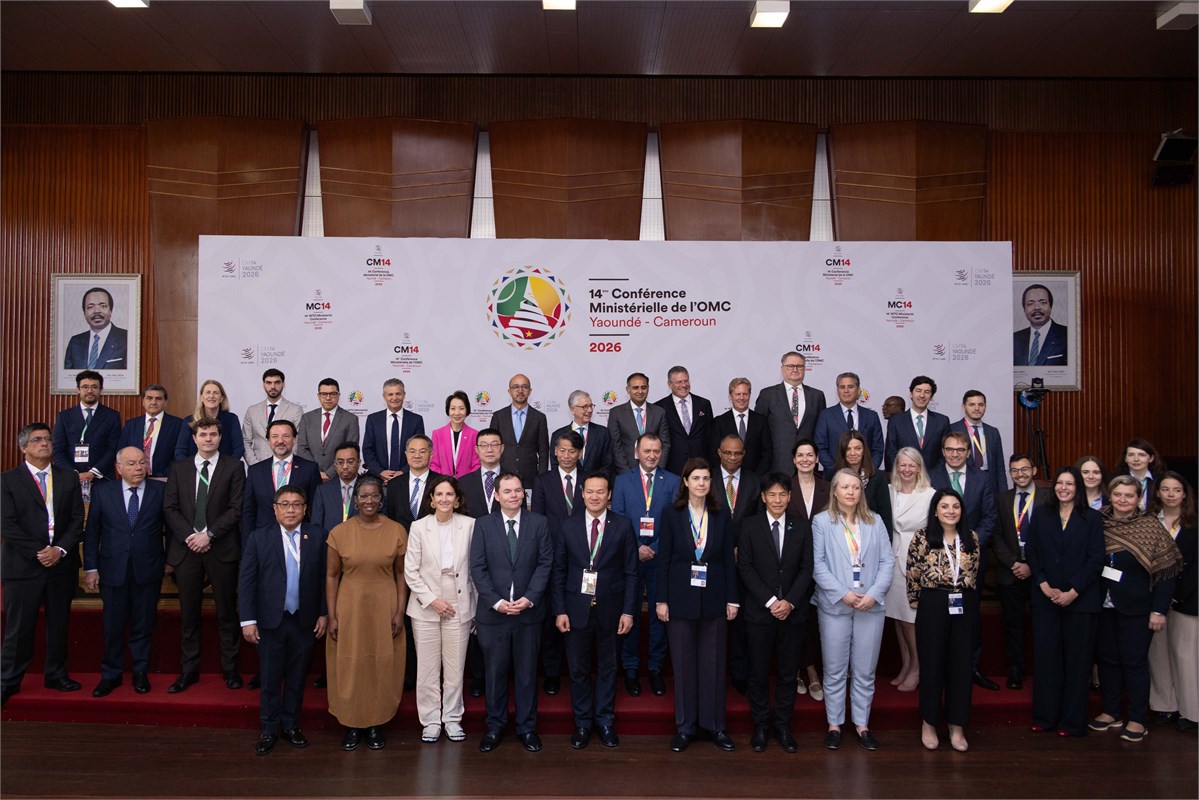
On Saturday, March 28, the Multi-Party Interim Appeal Arbitration Arrangement (MPIA) ministerial event*1 was held, hosted by the EU, the Republic of Colombia, the Islamic Republic of Pakistan, and the Republic of Singapore. The event was attended by the Ministers of WTO Members participating in the MPIA , as well as WTO Director-General Ngozi Okonjo-Iweala. From Japan, State Minister Yamada and Parliamentary Vice-Minister for Foreign Affairs Shimada attended.
At the event, the Ministers participating in the MPIA issued a joint statement reiterating their commitment to realizing WTO dispute settlement system reform, which remains their priority objective; confirming the importance of the MPIA in providing security and predictability to the multilateral trading system through a binding dispute settlement system until the reform is realized; welcoming new member countries and regions since MC13, including the most recent new members such as Barbados, the Principality of Liechtenstein, and the Republic of Moldova; and encouraging other WTO Members to join the MPIA.
Australia; Barbados; Benin; Brazil; Canada; China; Chile; Colombia; Costa Rica; Ecuador; the European Union (including member countries); Guatemala; Hong Kong, China; Iceland; Japan; Liechtenstein; Macao, China; Malaysia; Mexico; Moldova, Republic of; Montenegro; New Zealand; Nicaragua; Norway; Pakistan; Paraguay; Peru; the Philippines; Singapore; Switzerland; Ukraine; the United Kingdom; Uruguay; and Viet Nam.
③Ministerial event on the WTO Agreement on Electronic Commerce
On Saturday, March 28, at a side event of MC14, the Interim Arrangements for the Agreement on Electronic Commerce were adopted in the WTO Joint Statement Initiative on Electronic Commerce, co-convened by Japan, Australia, and the Republic of Singapore. Japan was represented by State Minister Yamada and Parliamentary Vice-Minister for Foreign Affairs Shimada. For further details, please see below.
2. Exchanging views with the participating representatives of WTO Members
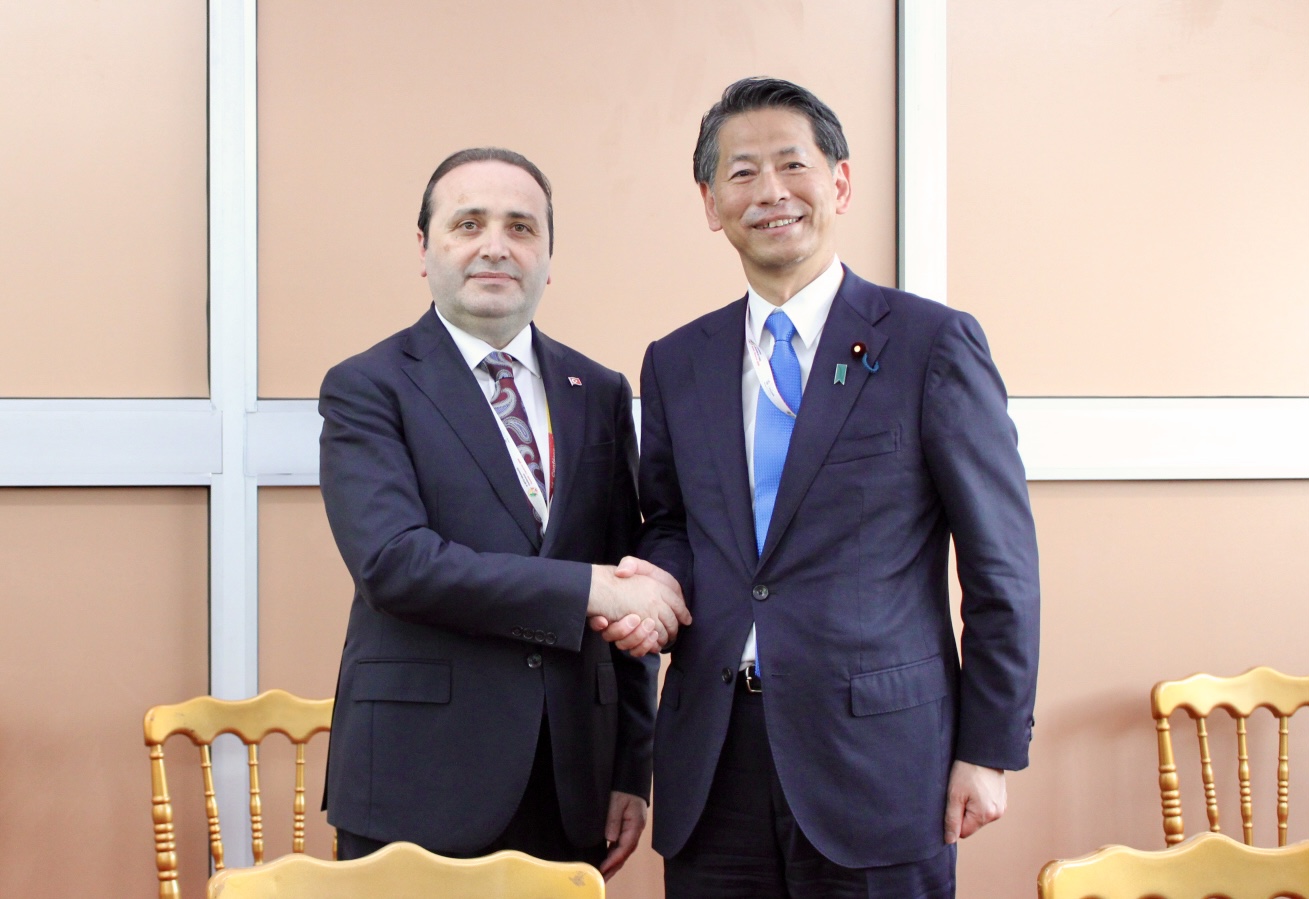
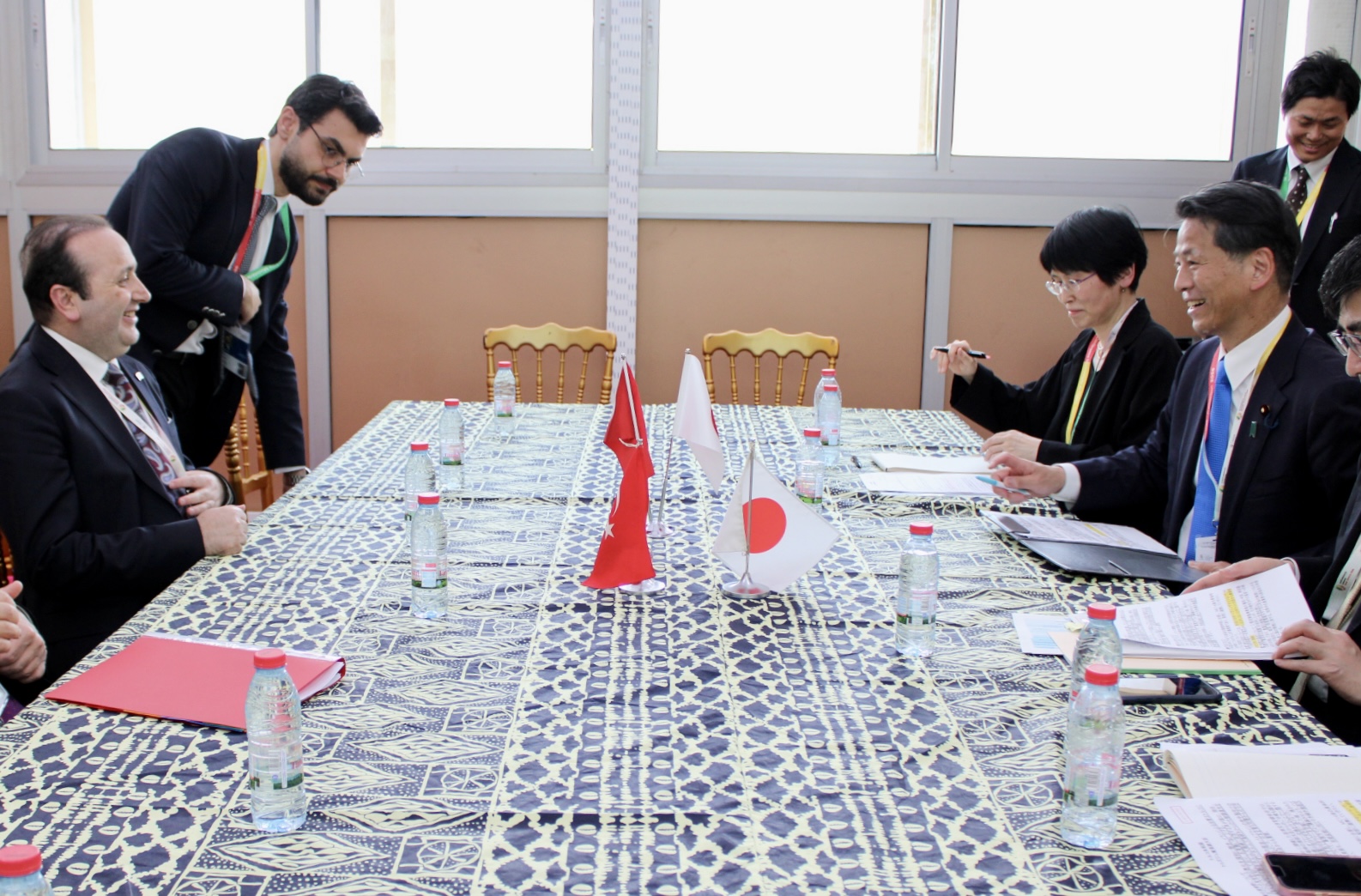
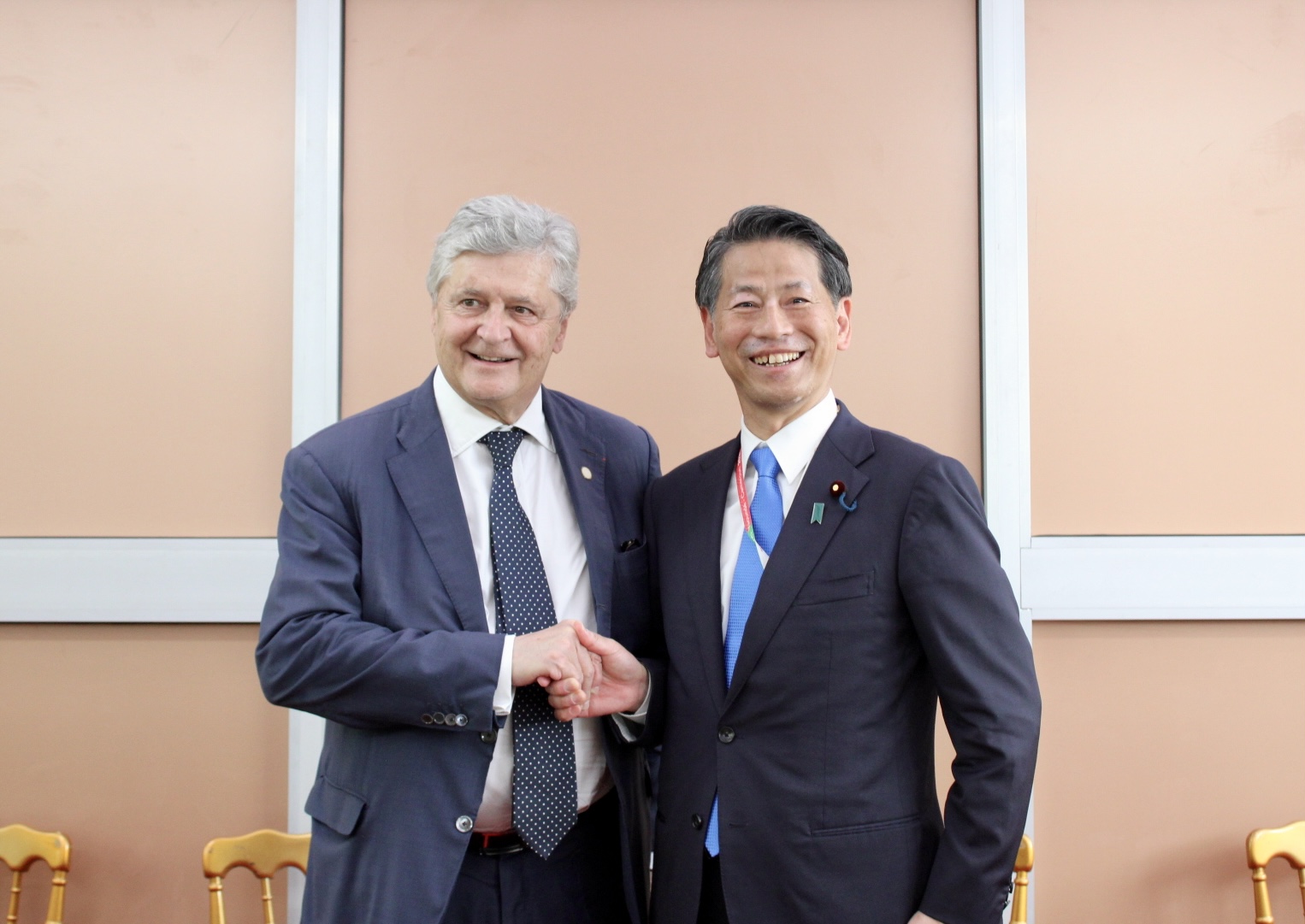
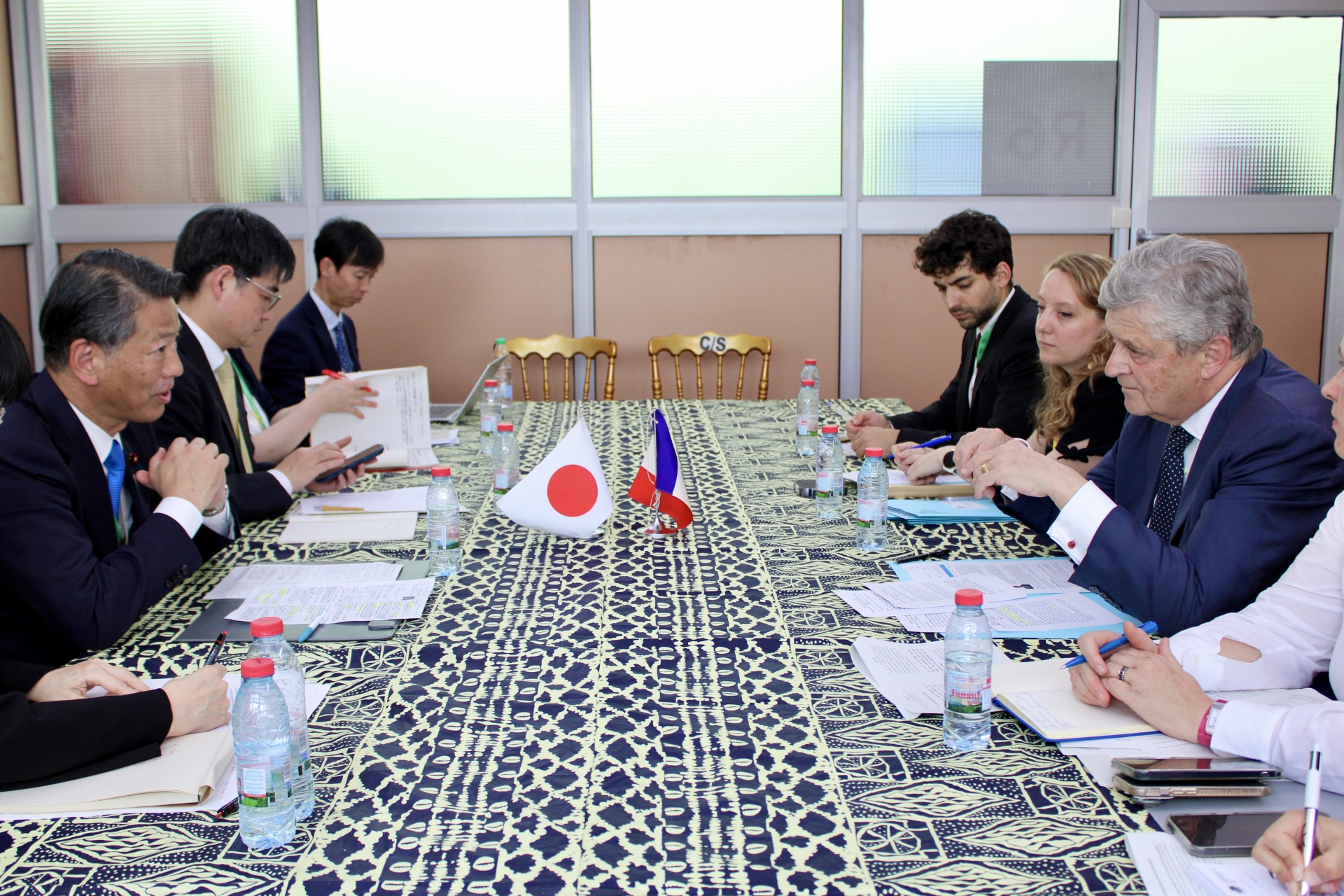
During the visit, State Minister Yamada met and exchanged views with the following representatives of Members on cooperation in WTO reform and bilateral economic ties: H.E. Mr. Mustafa Tuzcu, Deputy Minister of Trade of the Republic of Türkiye; H.E. Mr. Nicolas Forissier, Minister Delegate for Foreign Trade and Attractiveness of France; H.E. Dr. Ngozi Okonjo-Iweala, WTO Director-General; H.E. Mr. Baboucarr Ousmaila Joof、Minister of Trade, Industry, Regional Integration and Employment of the Republic of Gambia; H.E. Ambassador Fernando Brun, Secretary for International Economic Relations of the Ministry of Foreign Affairs of Argentina; H.E. Dr. Luis Rosendo Gutiérrez Romano, Vice Minister for Foreign Trade of Mexico; H.E. Mr. Matt Thistlethwaite, Assistant Minister for Foreign Affairs and Trade of Australia; H.E. Ms. Alexia Alcivar, Vice Minister of Foreign Trade, Ministry of Production, Foreign Trade and Investment of Ecuador; H.E. Mrs. Paula Estévez, Undersecretary of International Economic Relations of Chile; and H.E. Mr. Todd McClay, Minister for Trade and Investment, Minister of Agriculture, Minister of Forestry, and Associate Minister of Foreign Affairs of New Zealand.
(1) Meeting with Mr. Tuzcu, Deputy Minister of Trade of the Republic of Türkiye
State Minister Yamada exchanged views with Deputy Minister Tuzcu on cooperation in the area of trade, including efforts to facilitate alternative procurement of crude oil with Türkiye as a transit point, accelerating negotiations toward the early conclusion of the Japan-Türkiye EPA, and WTO reform.
(2) Meeting with Mr. Forissier, Minister Delegate for Foreign Trade and Attractiveness of France
State Minister Yamada and Minister Delegate Forissier confirmed the need to strengthen bilateral cooperation in areas such as economic security, including critical minerals, as well as in nuclear power, space, and startups. They also exchanged views on cooperation within the G7.
(3) Meeting with Dr. Okonjo-Iweala, WTO Director-General
State Minister Yamada, together with Parliamentary Vice-Minister for Foreign Affairs Shimada, exchanged views with Director-General Okonjo-Iweala on WTO reform and the extension of the moratorium on customs duties on electronic transmissions.
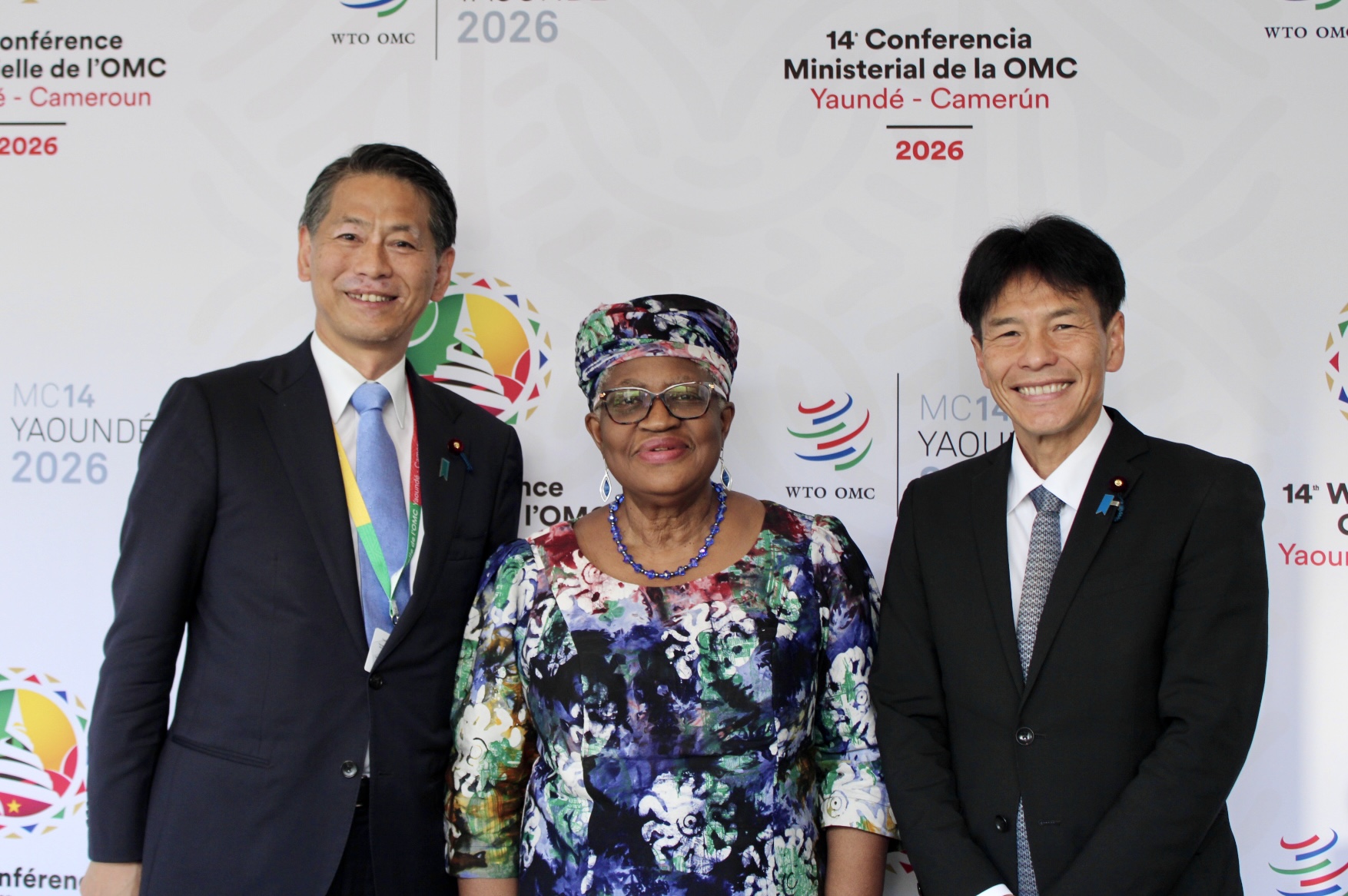
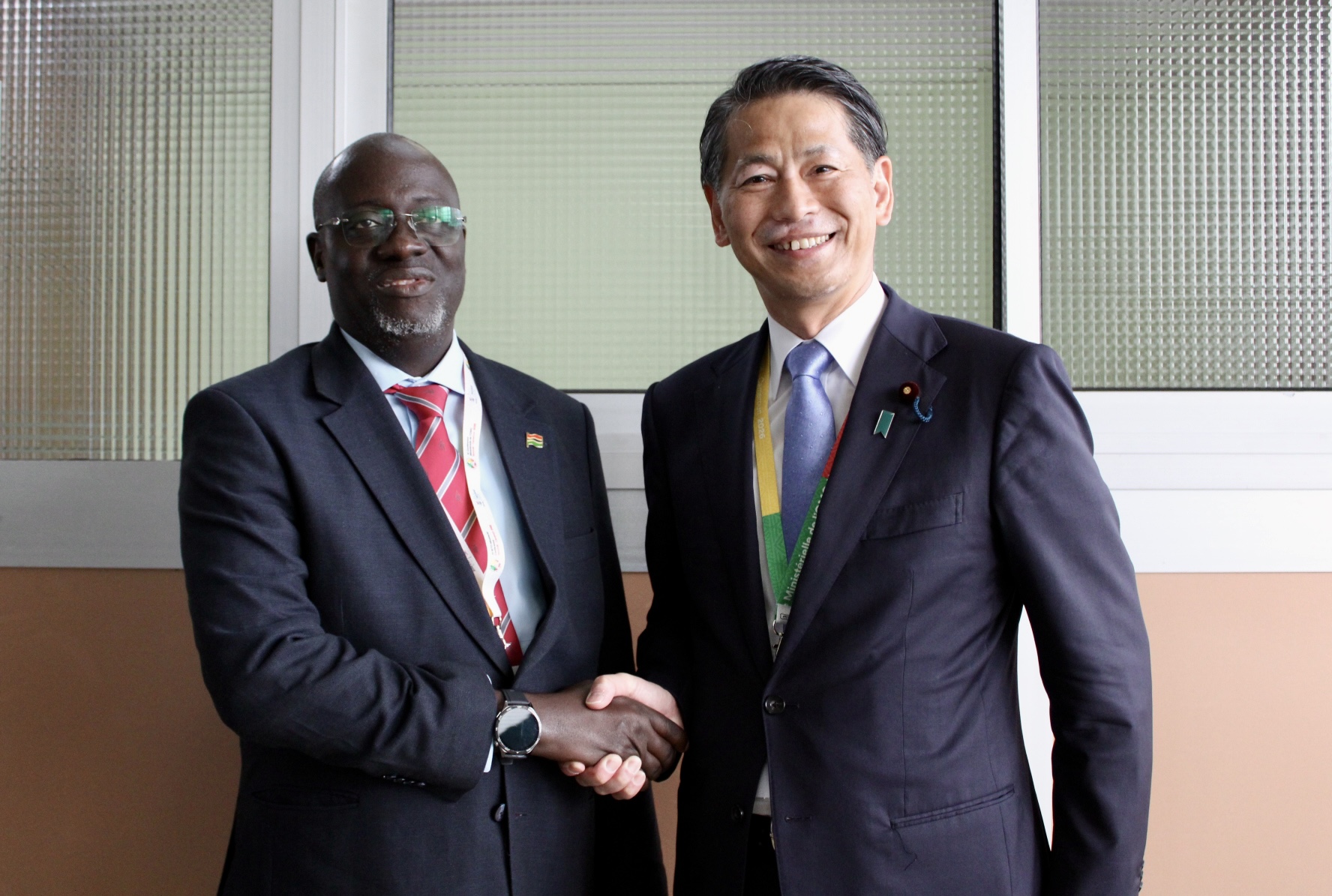
(4) Meeting with Mr. Joof, Minister of Trade, Industry, Regional Integration and Employment of the Republic of Gambia
State Minister Yamada encouraged Minister Joof to participate in the Multi-Party Interim Appeal Arbitration Arrangement (MPIA) and exchanged views on the LDC package and bilateral relations.
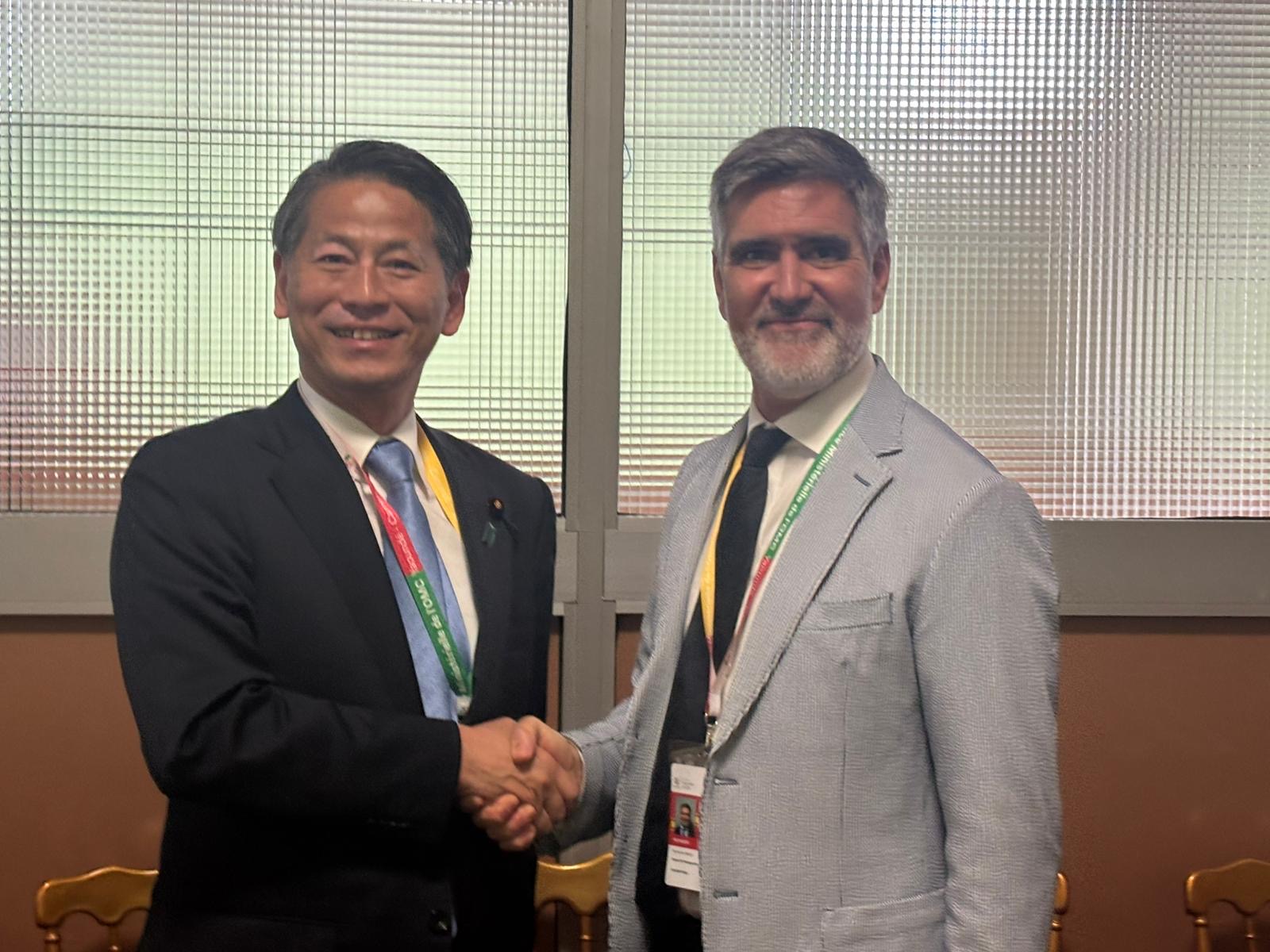
(5) Meeting with Ambassador Brun, Secretary for International Economic Relations of the Ministry of Foreign Affairs, International Trade and Worship of Argentina
State Minister Yamada exchanged views with Ambassador Brun on efforts for the alternative procurement of crude oil, cooperation in WTO reform, and further strengthening economic relations between the two countries.
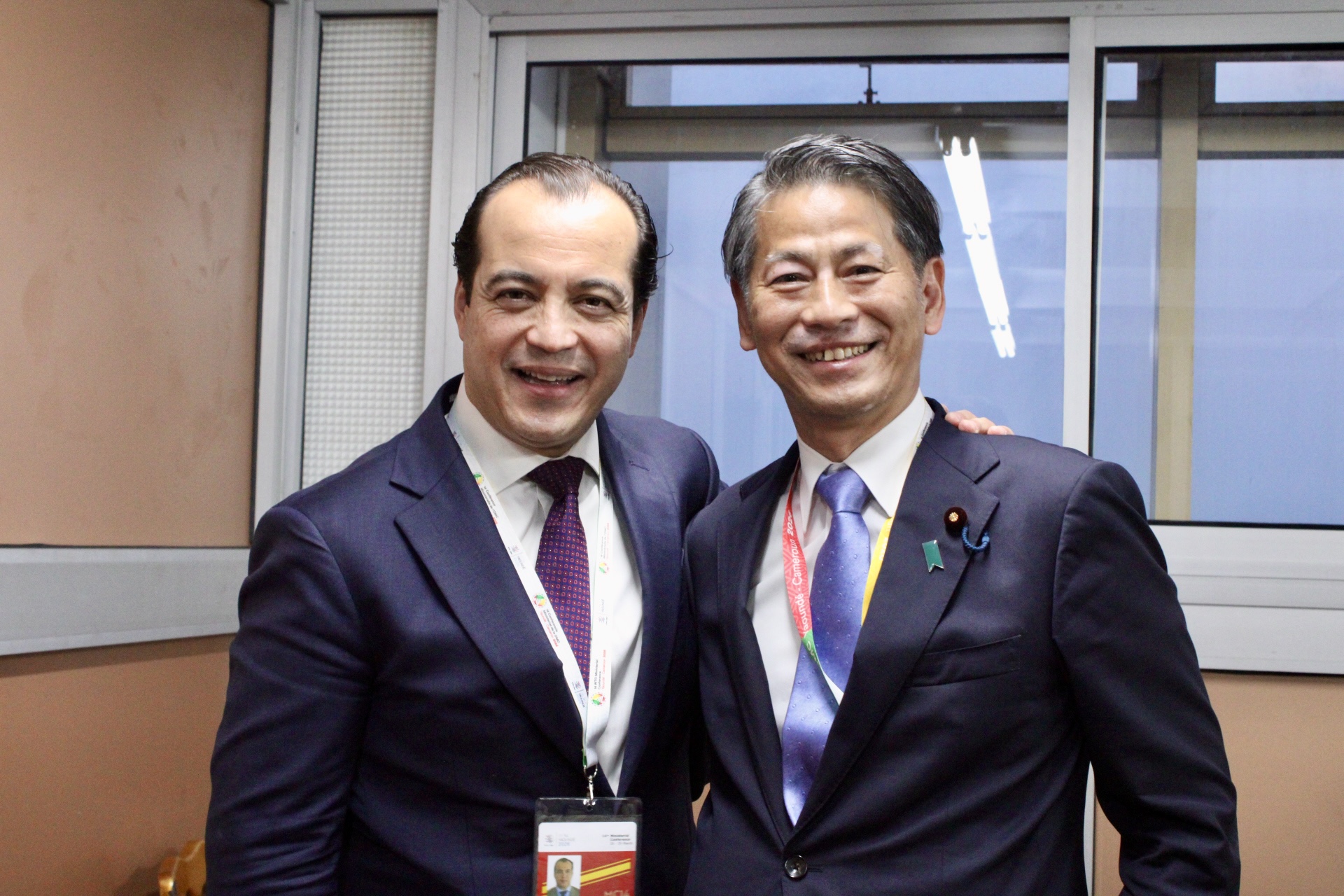
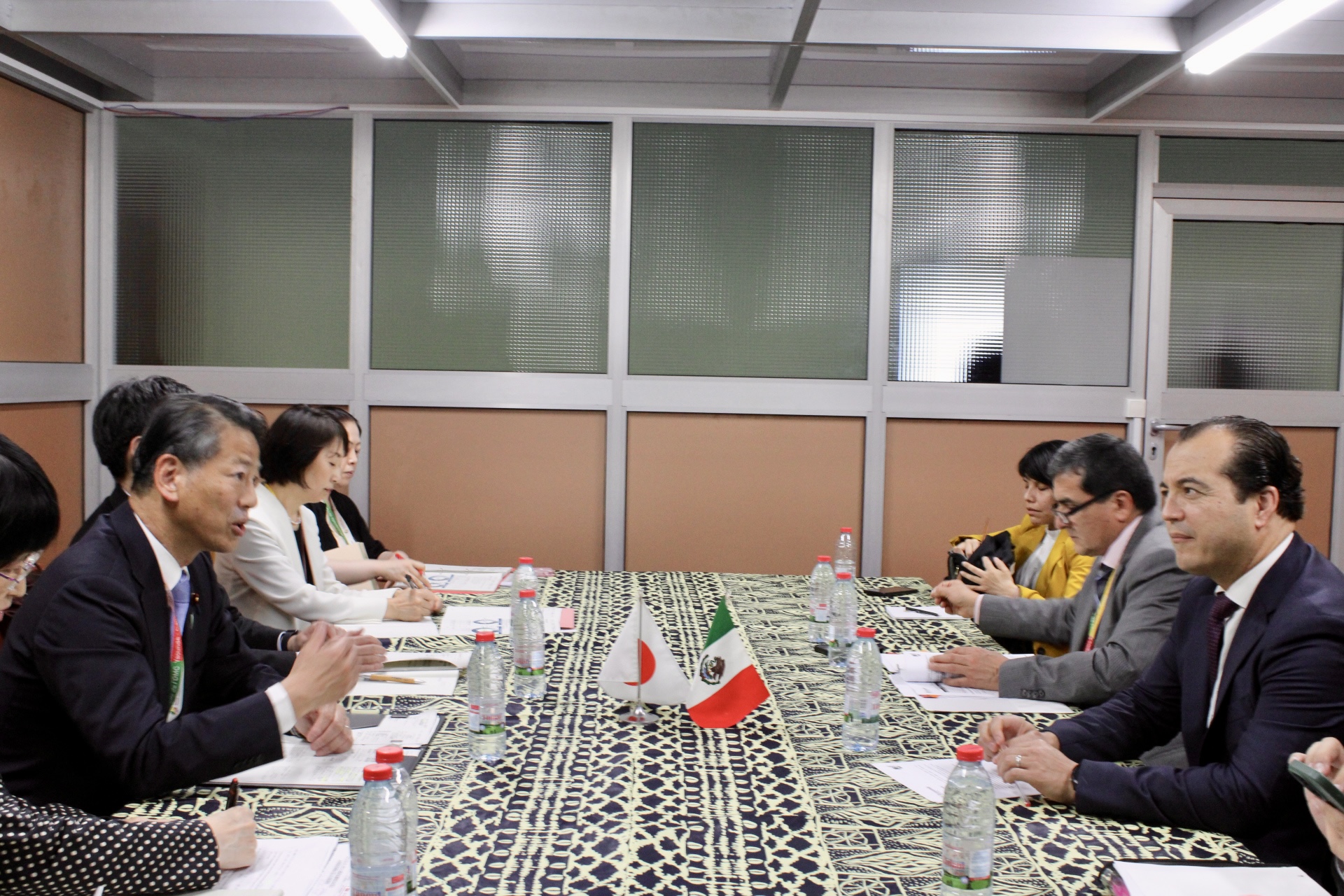
(6) Meeting with Dr. Gutiérrez, Vice Minister for Foreign Trade of the Ministry of Economy of Mexico
State Minister Yamada exchanged views with Vice Minister Gutiérrez on the potential for strengthening bilateral cooperation in new fields such as digital transformation (DX) and green transformation (GX), and the importance of collaboration in international areas including WTO and the Comprehensive and Progressive Agreement for Trans-Pacific Partnership (CPTPP).
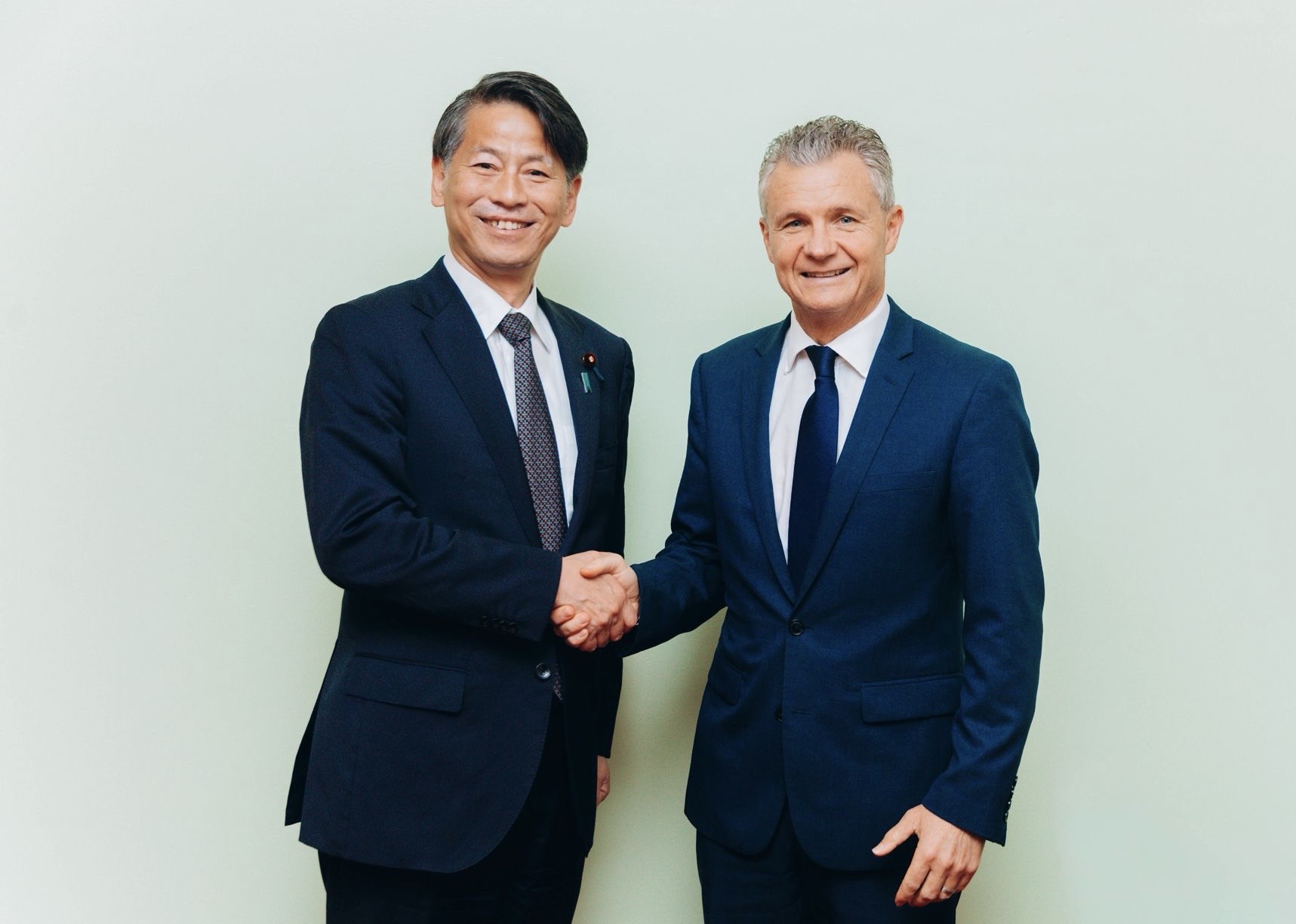
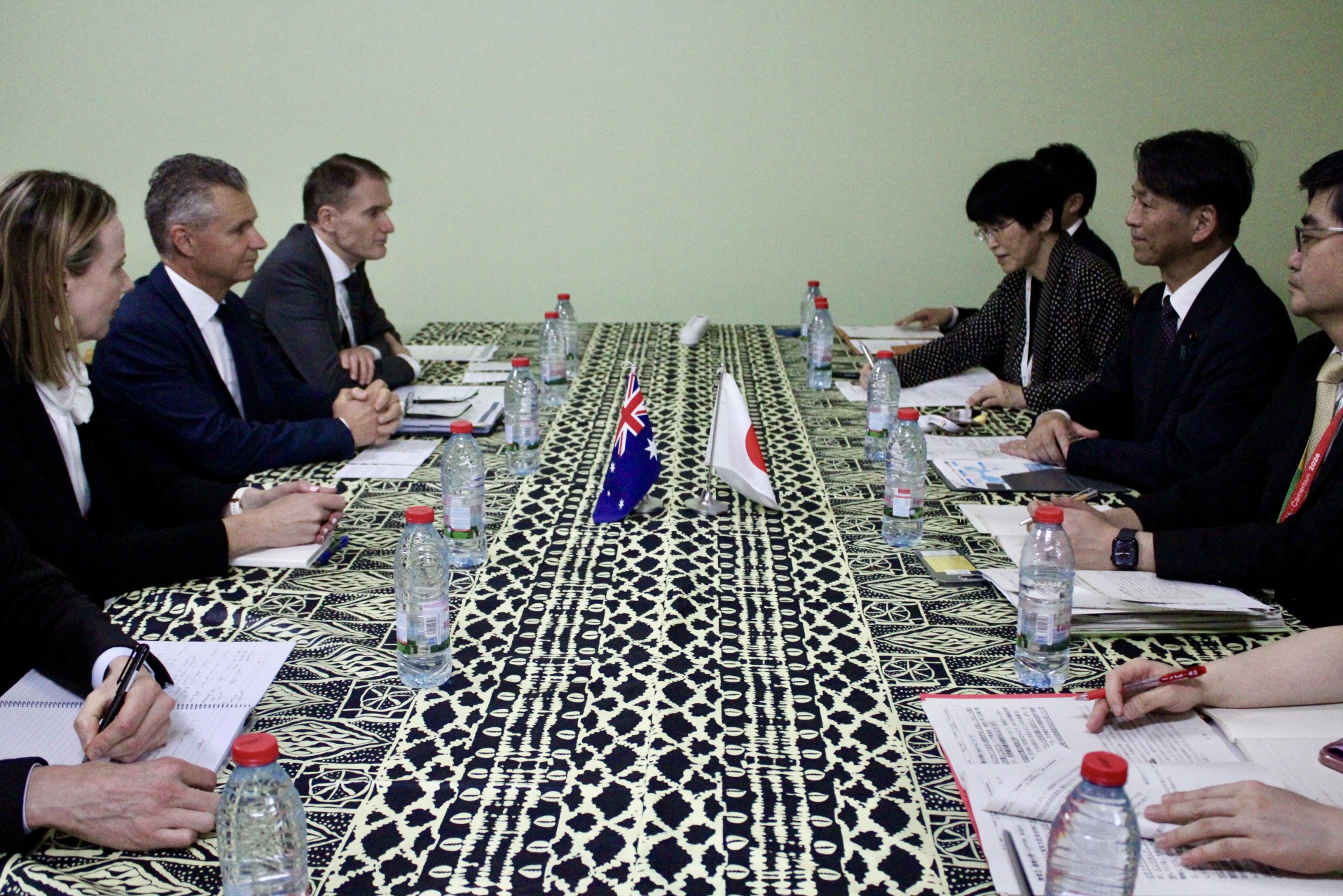
(7) Meeting with Mr. Thistlethwaite, Assistant Minister for Foreign Affairs and Trade of Australia
State Minister Yamada exchanged views with Assistant Minister Thistlethwaite on WTO reform, efforts toward the implementation of the Agreement on Electronic Commerce via the interim arrangements, cooperation in the CPTPP and RCEP Agreements such as on the accession process, the security environment, and cooperation in the energy sector.
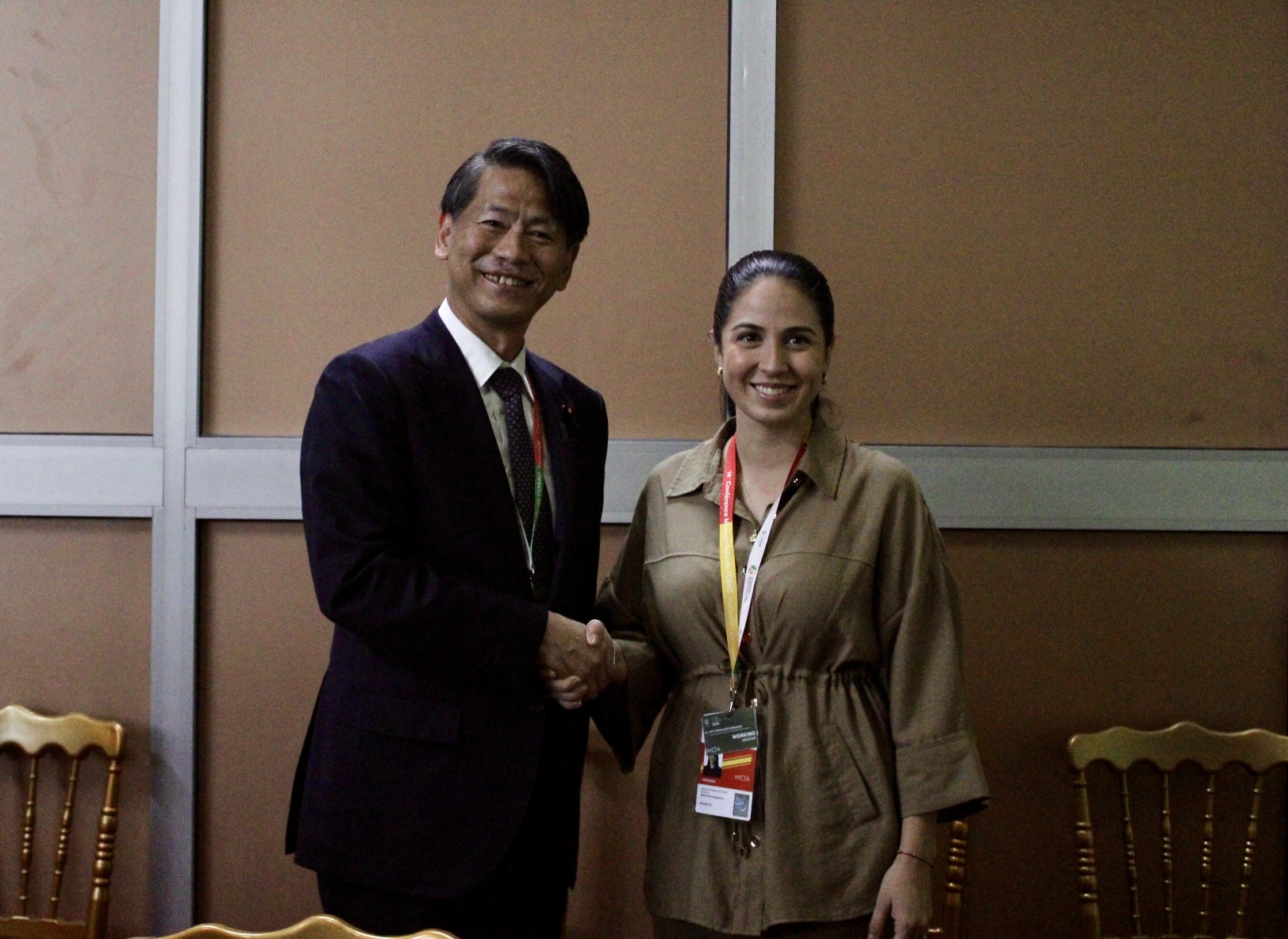
(8) Meeting with Ms. Alcivar, Vice Minister of Foreign Trade, Ministry of Production, Foreign Trade and Investment of Ecuador
State Minister Yamada exchanged views with Vice Minister Alcivar on efforts for the alternative procurement of crude oil, cooperation in WTO reform, and further strengthening economic relations between the two countries.
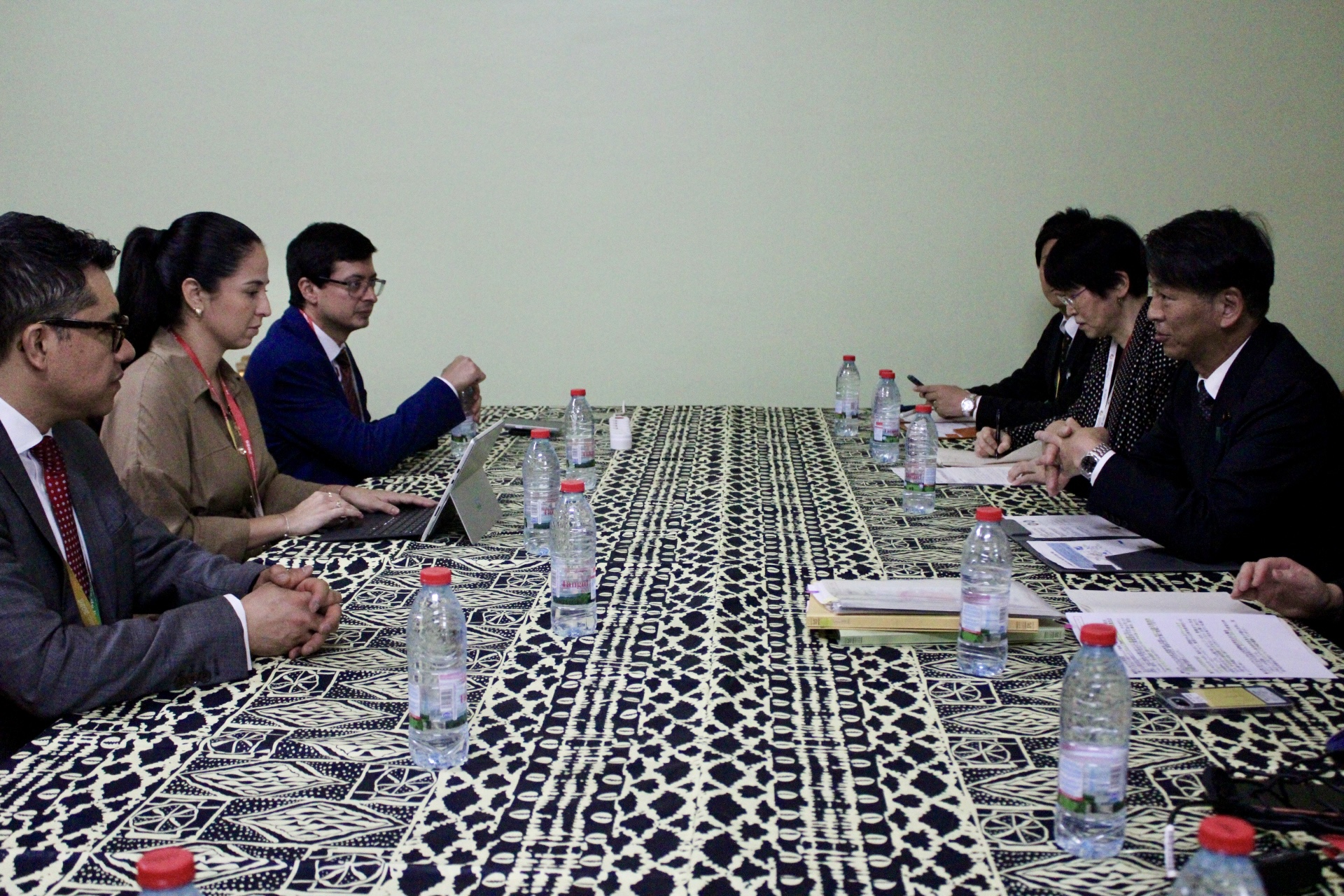
(9) Meeting with Ms. Estévez, the undersecretary for International Economic Relations of Chile
State Minister Yamada exchanged views with Undersecretary Estévez on cooperation in the CPTPP and RCEP Agreements such as on the accession process and cooperation in WTO reform.
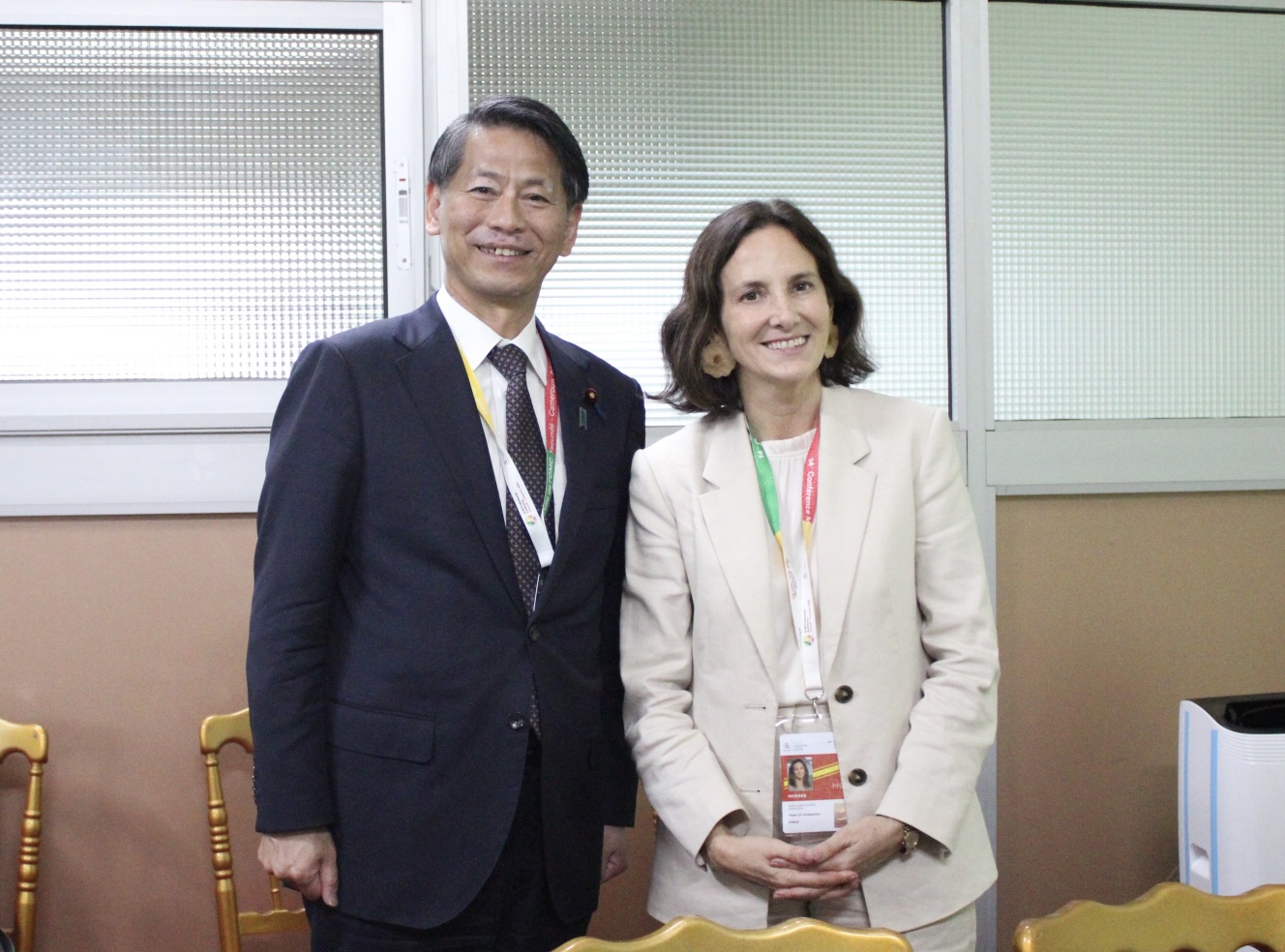
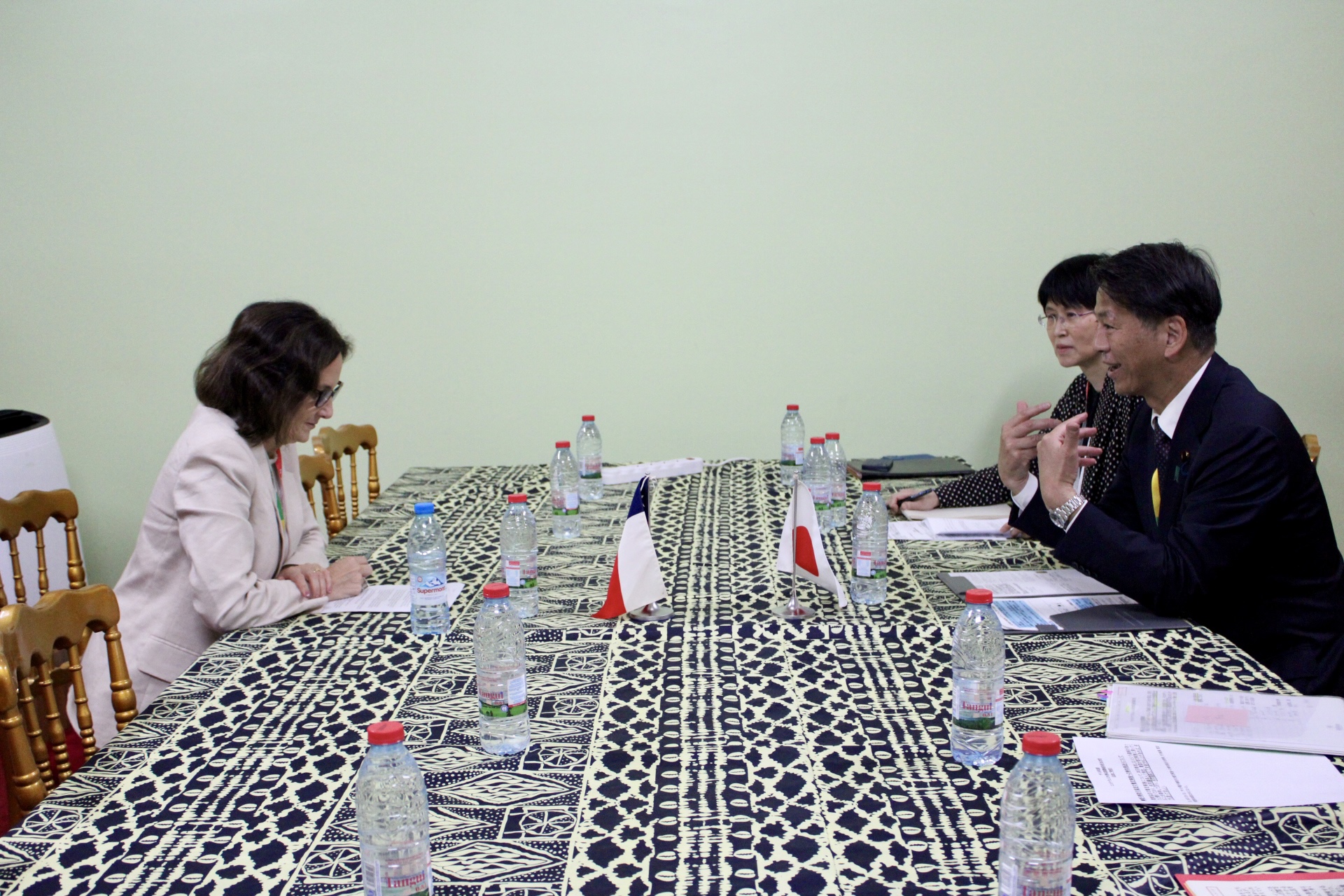
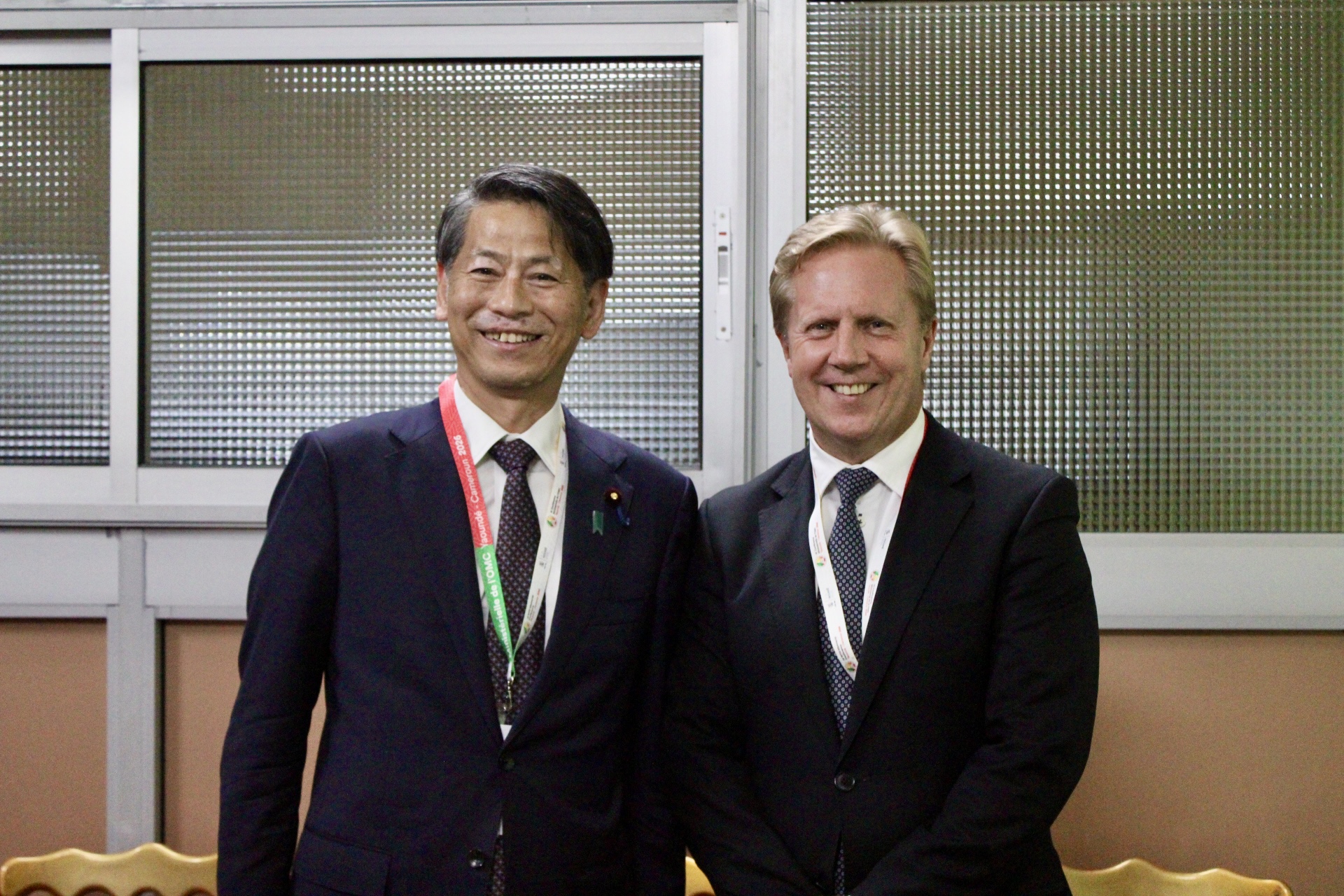
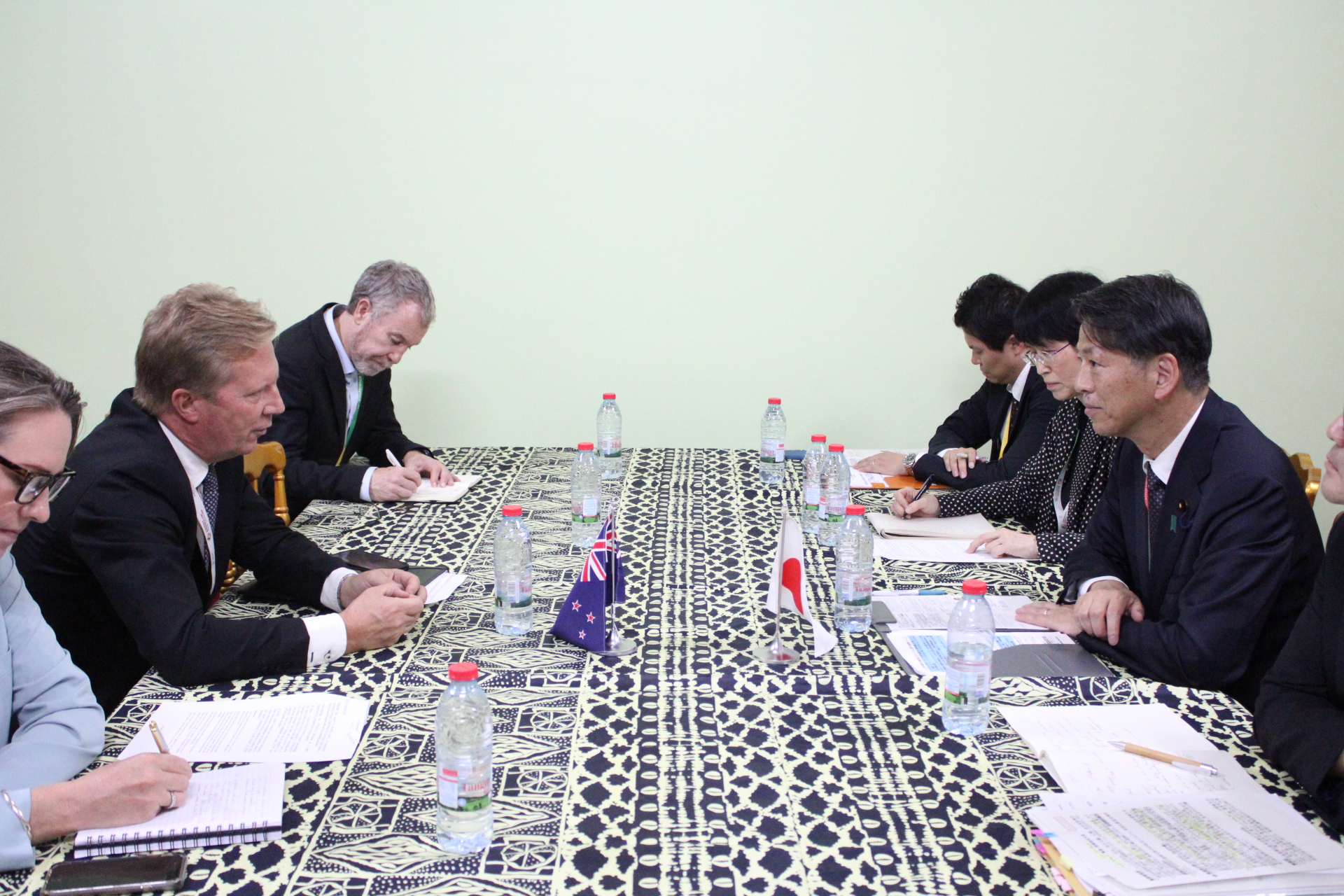
(10) Meeting with Mr. McClay, Minister for Trade and Investment, Minister of Agriculture, Minister of Forestry, and Associate Minister of Foreign Affairs of New Zealand
State Minister Yamada exchanged views with Minister McClay on cooperation in the CPTPP and RCEP Agreements such as on the accession process and cooperation in WTO reform.
Related Materials
- Coalition of Trade Ministers on Climate: Ministerial Communique(PDF:115KB)

- Ministerial Statement on MPIA(PDF:39KB)
- Declaration on Interim Arrangements for the Agreement on Electronic Commerce(PDF:155KB)
Related Links
- Video message from State Minister of Economy, Trade and Industry Yamada

- Interim Arrangements for the WTO Agreement on Electronic Commerce Adopted
Division in Charge
Digital Trade Policy Office, Trade Policy Bureau
 Download(To Adobe site)